
DIY Ant Control: Safe and Effective Home Solutions
Understanding Ant Behavior
Ants are social insects that can quickly establish colonies in your home. They are attracted to food, water, and shelter, and even a small number of ants can indicate a larger colony nearby. While professional pest control is an option, DIY methods are safe, cost-effective, and highly effective for minor to moderate infestations.
This guide provides a comprehensive approach to DIY ant control, combining prevention, natural deterrents, exclusion, traps, and monitoring to maintain a pest-free home.
Before taking action, it’s helpful to understand ant behavior:
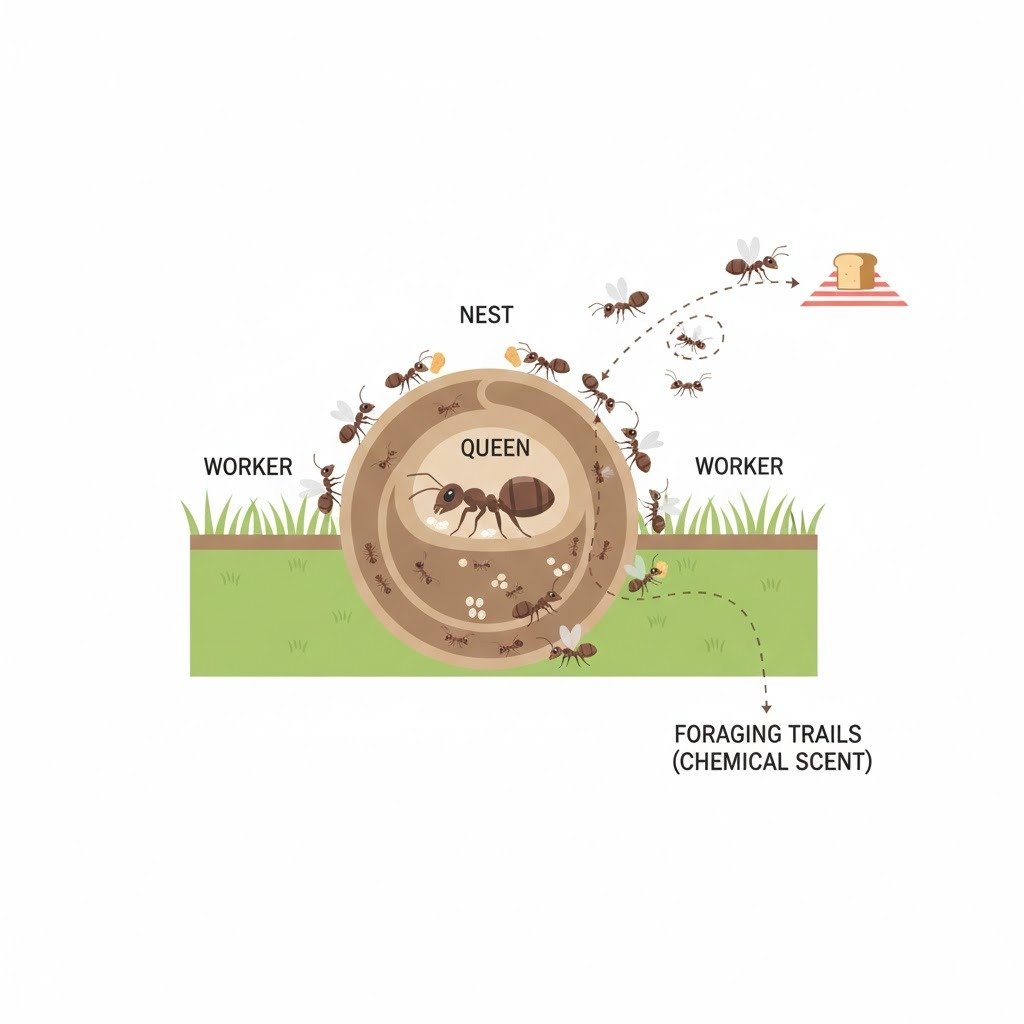
- Foraging Trails: Ants follow chemical scent trails to food sources. Disrupting these trails reduces activity.
- Colony Structure: Worker ants search for food, while the queen remains in the nest. Eliminating workers alone won’t solve the problem unless the nest is targeted.
- Nesting Sites: Ants often nest in wall voids, under floors, behind appliances, and in basements or attics.
Understanding behavior helps homeowners strategically place traps, baits, and deterrents for maximum effectiveness.
Sanitation and Cleanliness
Maintaining a clean environment is the first and most important step in DIY ant control:
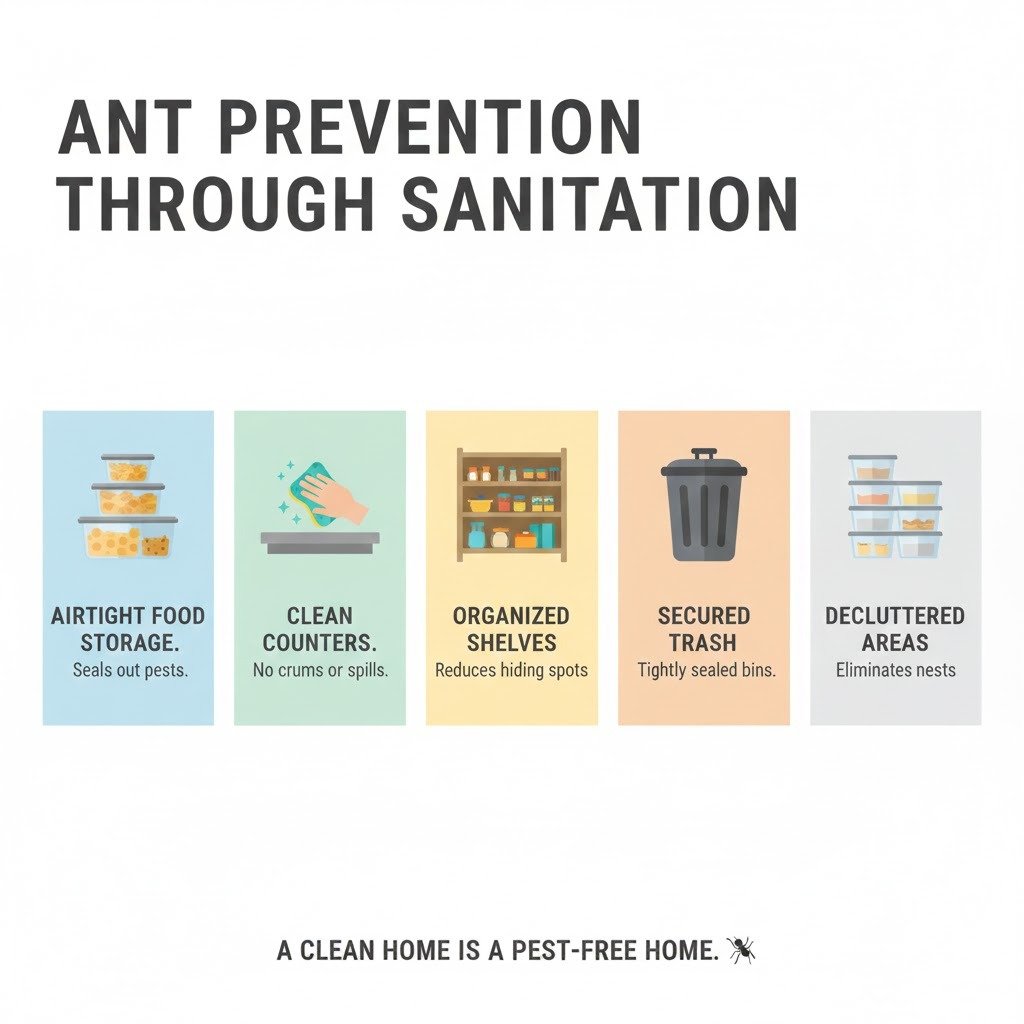
Food Management:
- Store all foods in airtight containers.
- Wipe countertops, tables, and stovetops daily to remove crumbs and spills.
- Clean pet dishes and avoid leaving food out overnight.
Garbage Management:
- Empty bins daily and clean them to remove residue and odors.
- Use secure-lidded trash cans to prevent scavenging.
- Compost bins should be kept away from home walls.
Decluttering:
- Remove cardboard boxes, paper stacks, and unused items from kitchens, basements, and storage areas.
- Use plastic containers with lids for long-term storage to deny ants shelter.
Tip: Ants thrive in hidden corners and cluttered spaces, so focus on overlooked areas like under appliances, behind cabinets, and inside pantries.
Natural Deterrents
Non-toxic, natural solutions are ideal for households with children or pets:
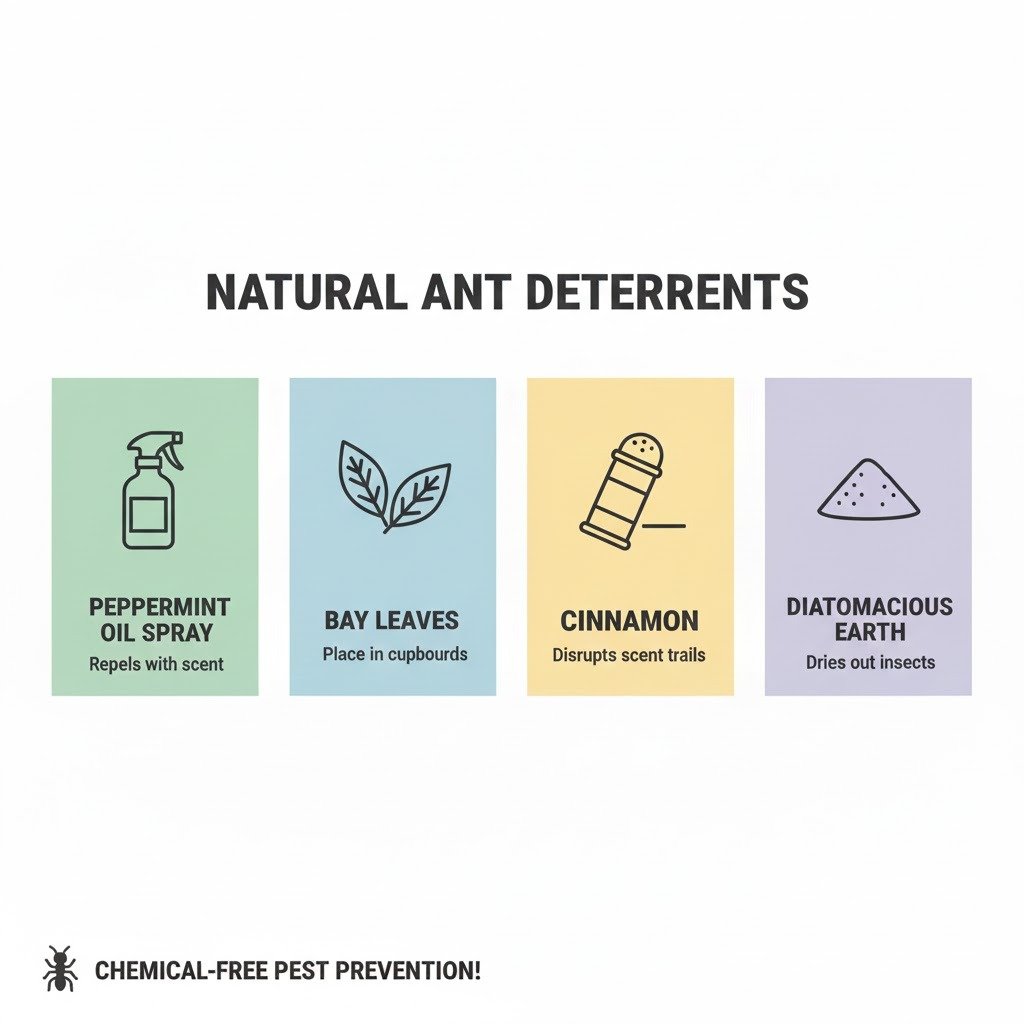
- Essential Oils: Peppermint, eucalyptus, tea tree, or citrus oils can disrupt ant trails. Mix with water and spray around entry points.
- Bay Leaves & Cinnamon: Place bay leaves in cupboards and sprinkle cinnamon along baseboards.
- Diatomaceous Earth (Food Grade): Apply in cracks, crevices, and under appliances. It dehydrates ants mechanically without harmful chemicals.
- Vinegar: A 1:1 mixture of vinegar and water can wipe out scent trails and repel ants temporarily.
Tip: Rotate deterrents periodically to maintain effectiveness, as ants can adapt over time.
DIY Traps and Baits
Traps and baits target ants directly and prevent colony growth:
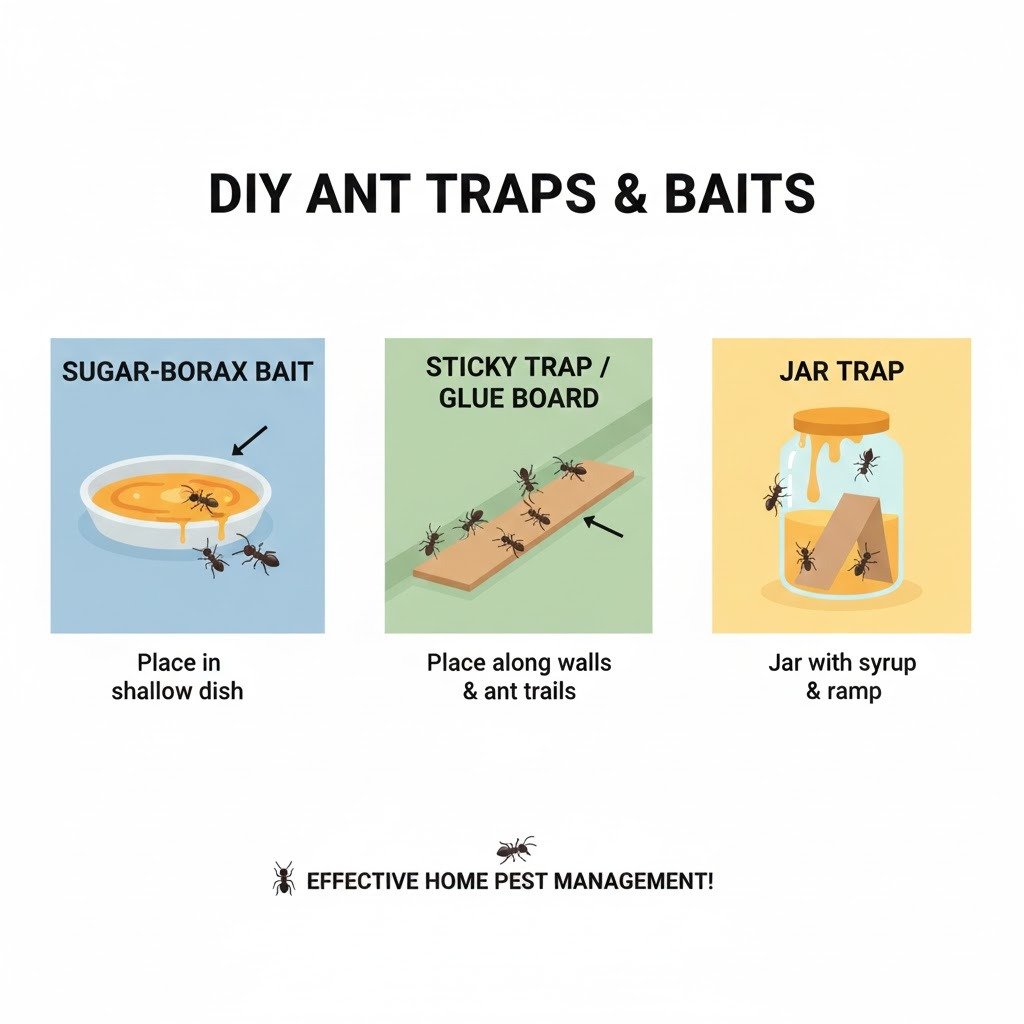
- Sugar and Borax Bait: Mix sugar with borax and place in shallow containers near ant trails. Ants carry it to the nest, slowly reducing the colony.
- Sticky Traps: Place along walls, behind appliances, and near sinks to catch foraging ants.
- Jar Traps: Use a small jar with syrup or honey and a ramp; ants enter but cannot escape.
Caution: Keep baits containing borax or other chemicals out of reach of children and pets.
- Sugar and Borax Bait: Mix sugar with borax and place in shallow containers near ant trails. Ants carry it to the nest, slowly reducing the colony.
Exclusion and Home Maintenance
Preventing ants from entering your home is critical for long-term control:
- Seal cracks, gaps, and utility penetrations around doors, windows, and baseboards.
- Install door sweeps and repair torn screens.
- Inspect foundation, vents, and siding for potential entry points and seal as needed.
Tip: Even tiny openings are enough for ants to enter. A thorough inspection ensures effectiveness.
Outdoor DIY Measures
Many ant species originate outdoors, so controlling their access to your home is essential:
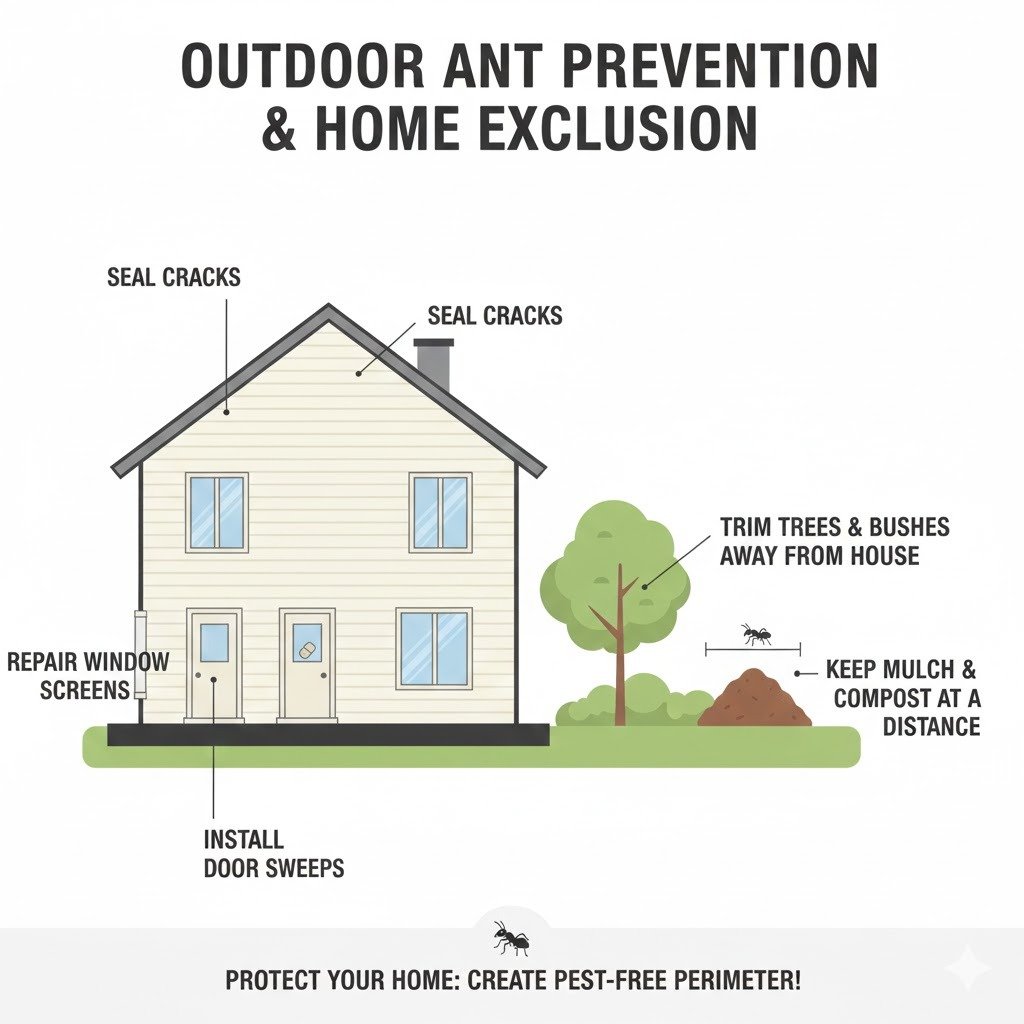
- Keep mulch, compost, leaf litter, and dense vegetation at least 12–18 inches away from foundations.
- Trim branches and bushes that touch the house.
- Remove outdoor food sources and fallen fruits.
- Apply natural deterrents like diatomaceous earth or cinnamon around garden edges.
Pro Tip: Reducing moisture near foundations and pathways discourages ant nesting close to your home.
Monitoring and Early Detection
Regular monitoring ensures that your DIY efforts are effective and that new ant activity is detected early:
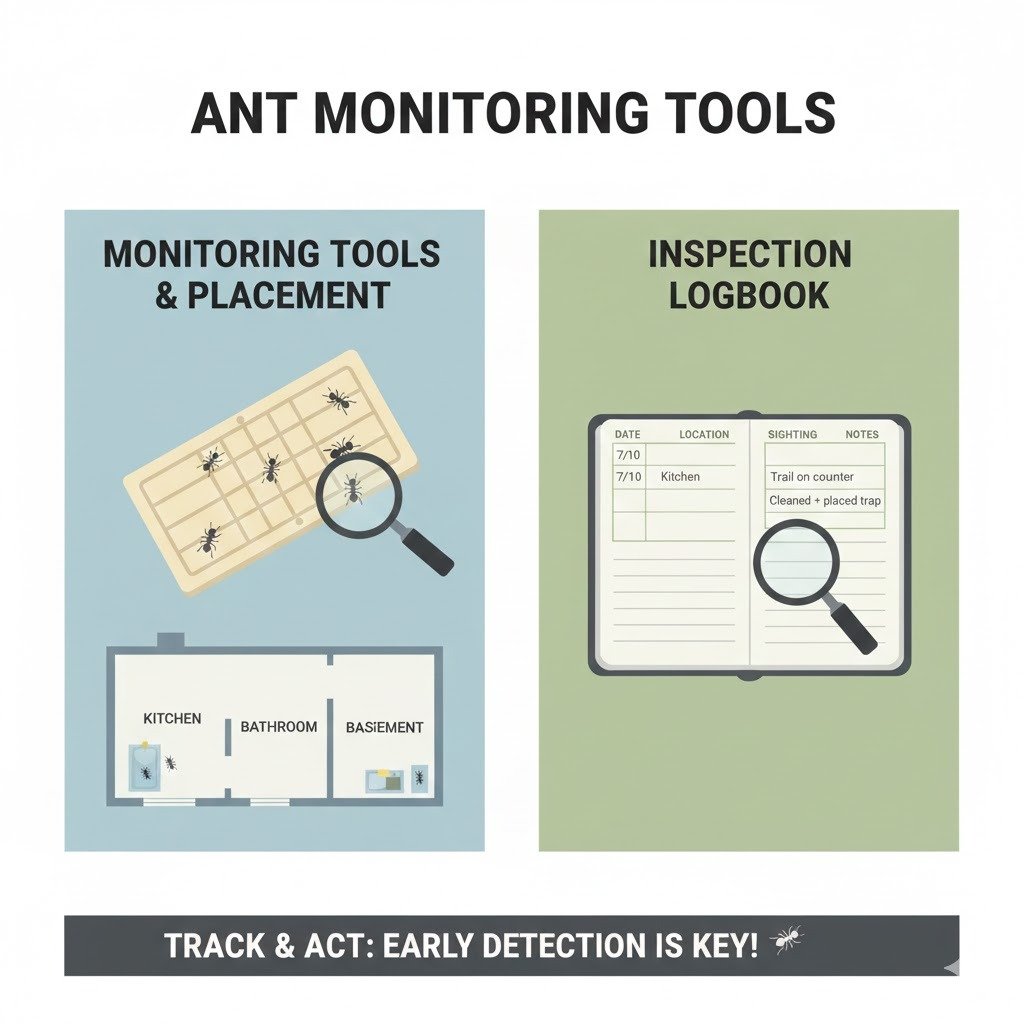
- Use sticky traps or glue boards in kitchens, bathrooms, and basements.
- Inspect high-risk areas weekly for droppings, trails, or nests.
- Keep a log of sightings to track patterns and hotspots.
Tip: Monitoring is especially important after rain or seasonal changes when ants become more active.
Advanced DIY Techniques
For persistent infestations, advanced strategies include:
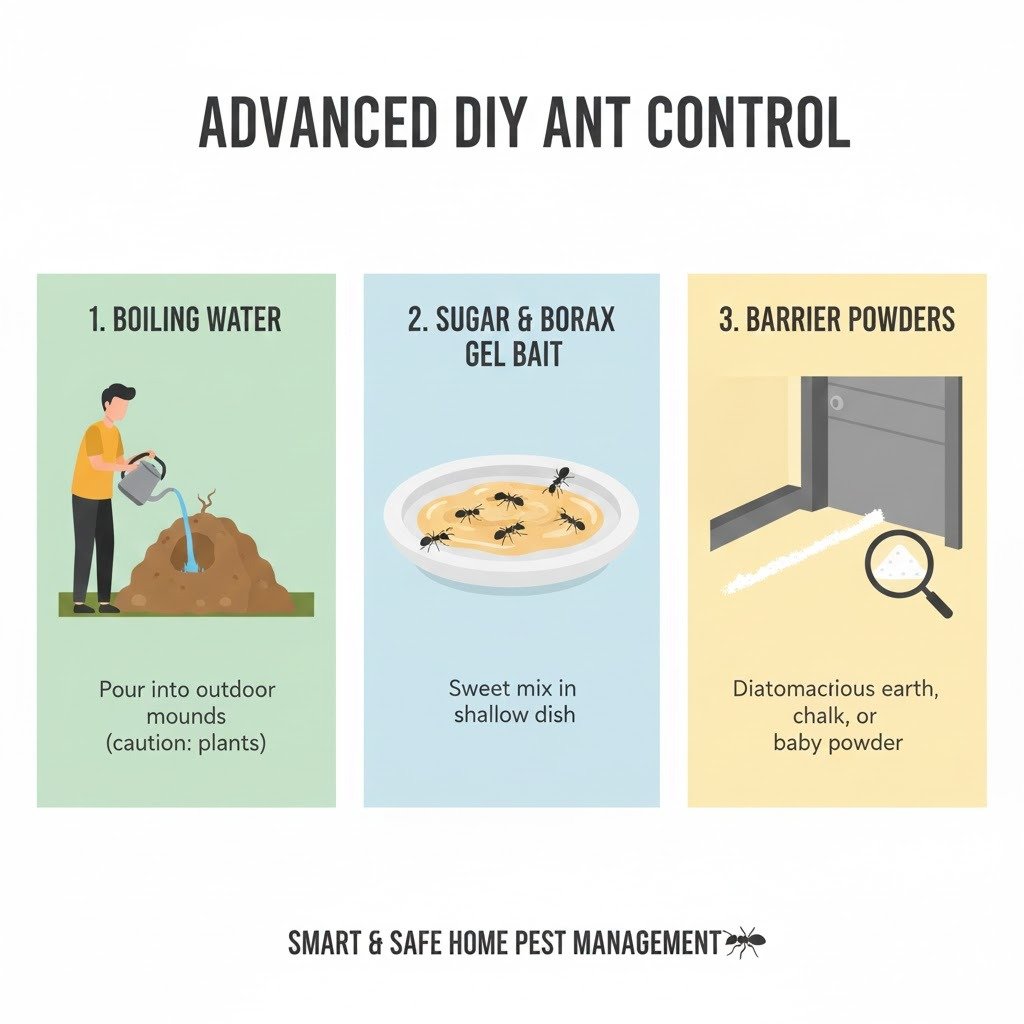
- Boiling Water: Carefully pour boiling water directly into outdoor ant mounds (suitable for fire ants or pavement ants).
- Homemade Gel Baits: Mix powdered sugar, borax, and water to create gel baits for indoor placement.
- Barrier Lines: Create deterrent barriers using chalk, baby powder, or diatomaceous earth along baseboards and entry points.
Warning: Always follow safety precautions when using heat or chemical substances.
When to Consider Professional Help
DIY methods are most effective for minor to moderate infestations. Contact a professional if:
- Ants persist despite consistent DIY measures.
- Large colonies or carpenter ants are suspected.
- You notice structural damage or hidden nests.
Professionals can locate nests, identify species, and apply targeted treatments that are difficult to replicate with DIY solutions.
Conclusion
DIY ant control combines sanitation, natural deterrents, traps, exclusion, and monitoring to create a comprehensive, safe, and effective strategy against ant infestations.
- Cleanliness and proper food storage reduce attractants.
- Non-toxic deterrents minimize chemical exposure.
- Sealing entry points prevents reinfestation.
- Monitoring ensures early detection and ongoing control.