
Ant Prevention: Keep Your Home Ant-Free
Ants are some of the most common household pests, capable of forming large colonies and causing damage to structures, food, and personal belongings. While reactive extermination can help eliminate them after they appear, prevention is the most effective and sustainable solution.
This guide provides homeowners with actionable strategies to stop ants before they enter your home, combining sanitation, moisture control, exclusion, monitoring, and professional advice for a complete ant-prevention plan.
Why Preventing Ants is Essential
Taking preventive measures against ants is far easier and safer than dealing with infestations later. Early action protects your health, property, and peace of mind.
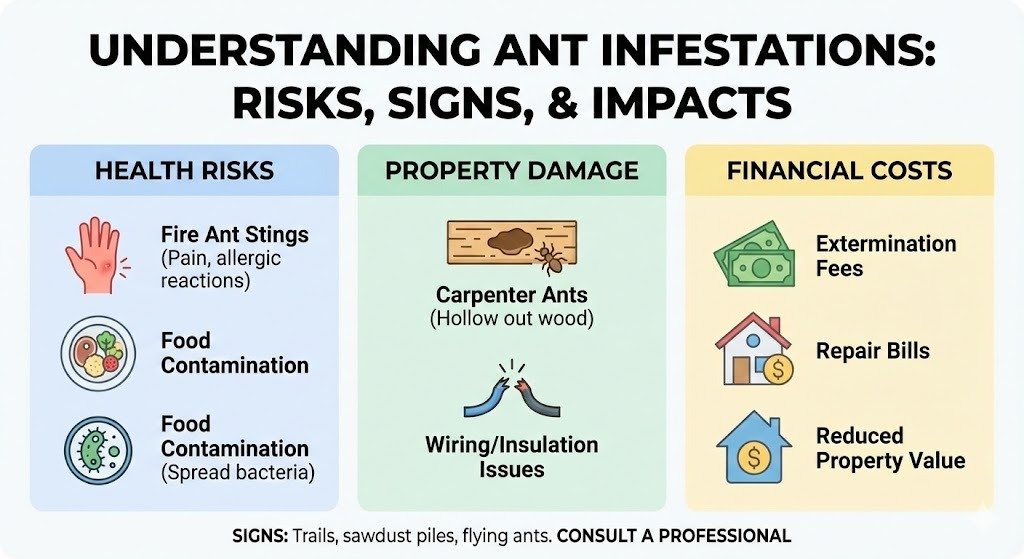
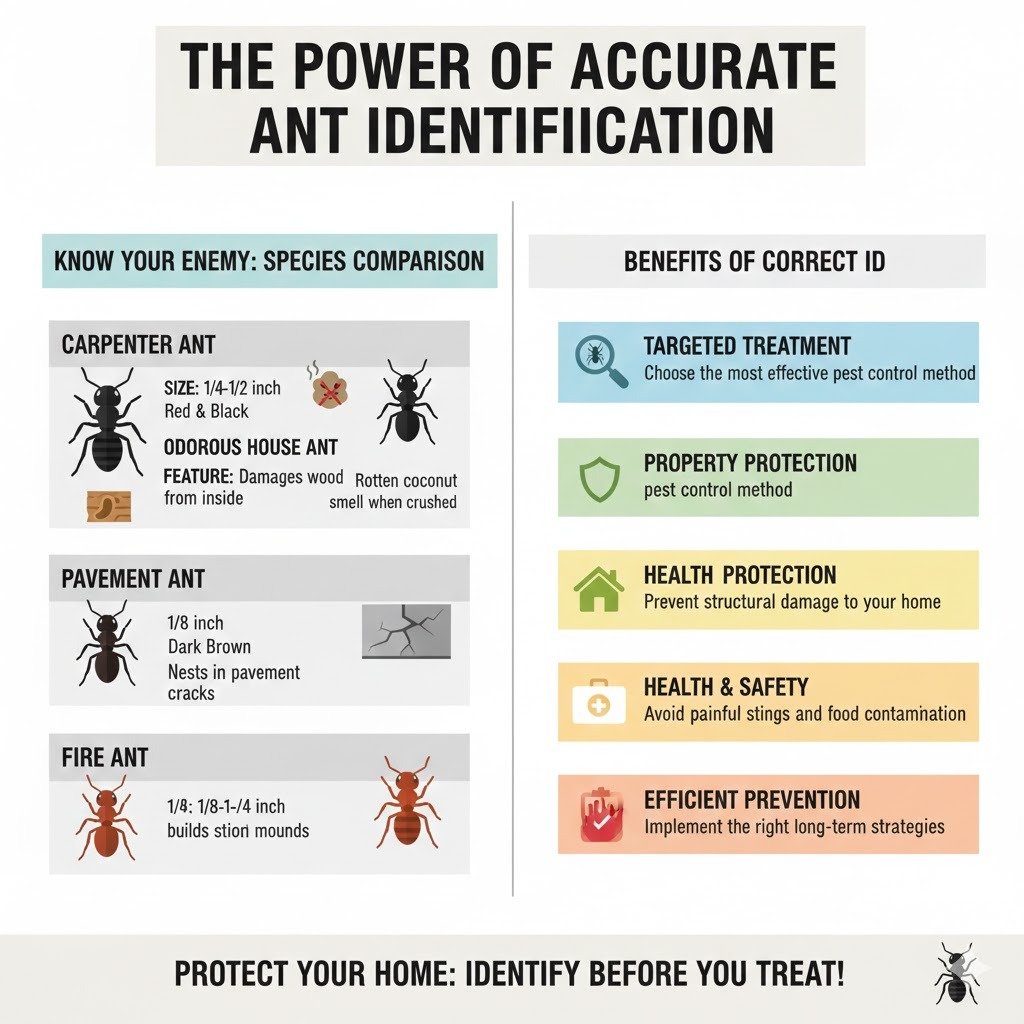
- Protect Health: Certain species, like fire ants, can bite or sting, while other ants may contaminate food. Prevention reduces health risks for your family.
- Safeguard Property: Carpenter ants can damage wood structures, furniture, and insulation. Preventing their entry protects your home.
- Cost Savings: Stopping ants early prevents expensive extermination services and repeated chemical treatments.
- Peace of Mind: A preventive approach reduces stress and eliminates recurring infestations.
Sanitation and Housekeeping
A clean and organized home makes it harder for ants to find food and shelter. Proper sanitation is the first step in ant prevention.
Food Management
Proper storage and cleaning routines reduce the likelihood of attracting ants.
- Store all food, including pet food, in airtight containers.
- Clean kitchen counters, dining tables, and stovetops regularly to remove crumbs and spills.
- Wash dishes promptly and avoid leaving food out overnight.
Trash Management
Effective waste management removes a major food source for ants.
- Empty indoor garbage bins daily and use bins with secure lids.
- Remove outdoor trash away from doors, windows, and walls.
- Clean bins periodically to eliminate residues and odors.
Clutter Control
Reducing clutter removes hiding places and nesting spots for ants.
- Remove cardboard, paper stacks, and unused items from kitchens, basements, and storage areas.
- Store items in sealed plastic containers rather than cardboard.
Keep floors, corners, and shelves organized to reduce hiding spots.
Moisture Control
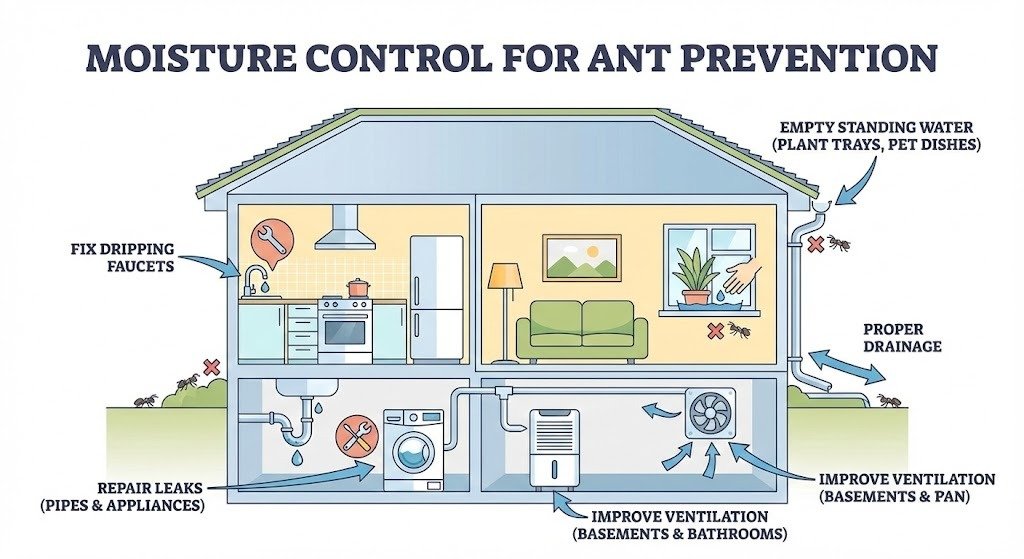
Ants require water to survive, so reducing indoor and outdoor moisture discourages infestations.
- Fix dripping faucets, leaky pipes, and appliance leaks immediately.
- Remove standing water from sinks, plant trays, and pet dishes.
- Improve ventilation in basements, bathrooms, and crawl spaces to reduce humidity.
Ensure gutters and downspouts direct water away from the home foundation.
- Fix dripping faucets, leaky pipes, and appliance leaks immediately.
Exclusion and Home Maintenance
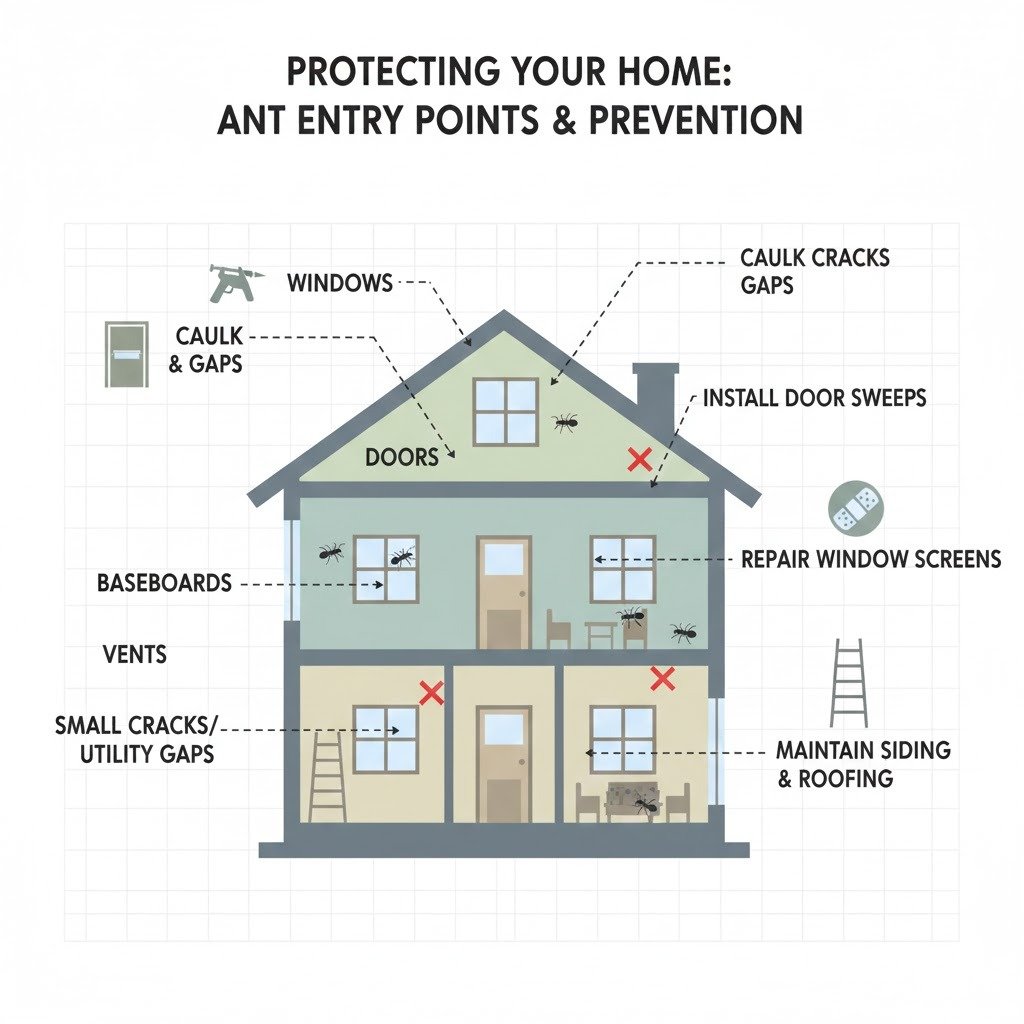
Preventing ants from entering is as important as removing food and water sources.
- Inspect doors, windows, walls, baseboards, vents, and utility penetrations for gaps or cracks. Seal with caulk or weatherproof sealants.
- Install door sweeps and repair damaged screens to prevent outdoor ants from entering.
- Maintain exterior structures like siding, roofing, and foundations to eliminate potential nesting sites.
Outdoor Ant Prevention
Keeping the outside environment tidy and well-maintained helps reduce ant invasions.
- Keep mulch, leaf litter, and compost at least 12–18 inches away from the home’s foundation.
- Trim trees, shrubs, and bushes that touch the house to prevent ants from climbing.
- Remove outdoor food sources, including fallen fruits or pet food left outside.
Inspect the yard regularly for ant colonies and take preventive measures if needed.
Monitoring and Early Detection
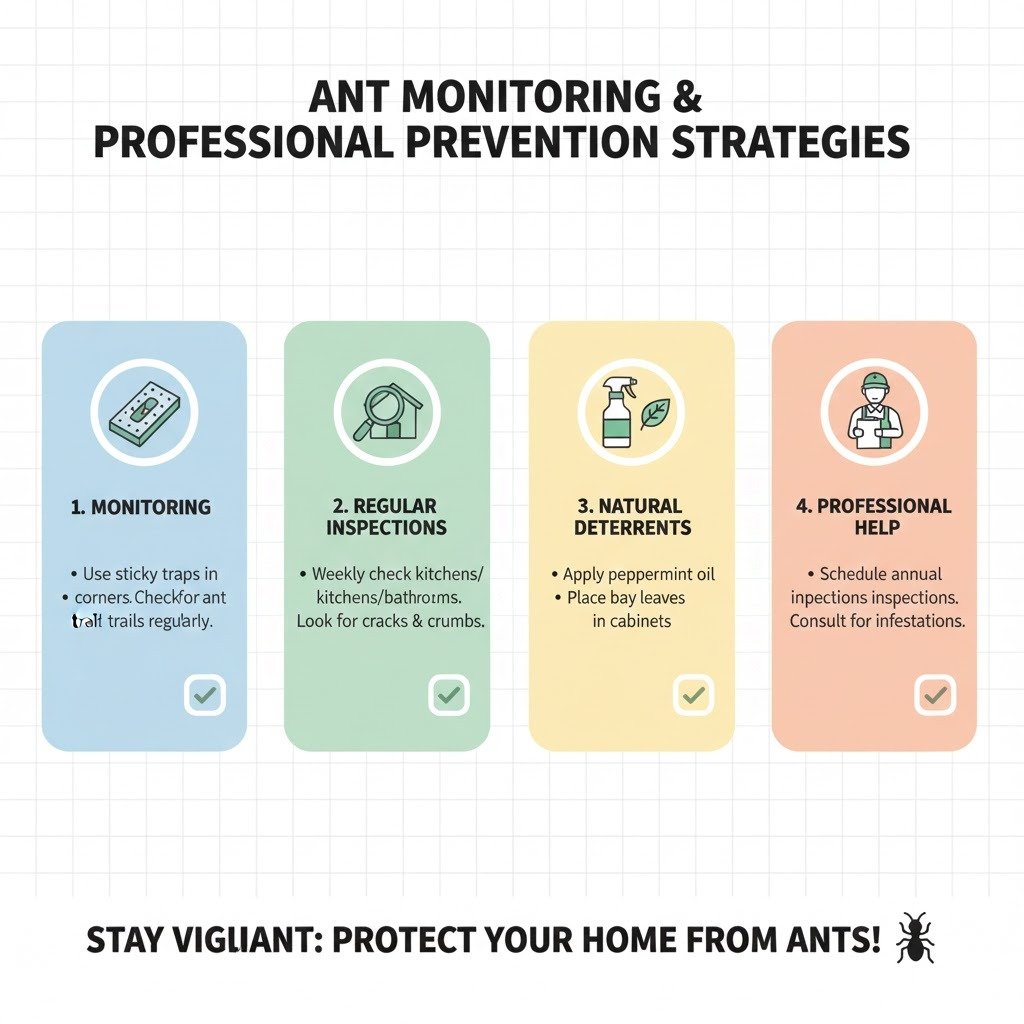
Even with preventive measures, regular monitoring ensures ants are detected before colonies grow.
- Place sticky traps or glue boards in high-risk indoor areas like kitchens, bathrooms, and basements.
- Conduct weekly inspections for early signs such as trails, droppings, or small nests.
- Keep a log of sightings to identify patterns and problem areas.
- Use natural deterrents, such as peppermint oil or bay leaves, near potential entry points.
Non-Chemical Deterrents
Natural methods provide safe, long-term solutions to discourage ants without harmful chemicals.
- Sprinkle diatomaceous earth along cracks, crevices, and behind appliances to dehydrate ants naturally.
- Rotate essential oils (peppermint, eucalyptus, or citronella) to maintain effectiveness.
- Maintain clean landscaping practices that reduce moisture and shelter for ants.
Professional Prevention Options
Expert guidance can reinforce DIY efforts and provide long-term protection.
- Routine Inspections: Pest control experts can identify hidden entry points, early colonies, and high-risk areas.
- Barrier Treatments: Professionals apply baits or perimeter sprays to prevent ants from entering the home.
- Expert Advice: Specialists offer tailored recommendations for cleaning, storage, moisture control, and landscaping to minimize ant risks.
Step-by-Step Prevention Checklist
Following a structured plan ensures consistent prevention and reduces the risk of infestation.
- Maintain consistent sanitation and proper food storage.
- Repair leaks and reduce indoor and outdoor moisture.
- Seal cracks, gaps, and potential entry points in walls, doors, and windows.
- Install door sweeps, repair screens, and maintain exterior structures.
- Monitor high-risk areas with traps and inspections.
- Use natural deterrents and maintain clean landscaping.
- Schedule regular professional inspections for early detection.
Conclusion
Preventing ants is easier, safer, and more cost-effective than dealing with infestations after they occur. By combining proper sanitation, moisture control, exclusion, monitoring, and professional guidance, homeowners can create a comprehensive defense against ants.
- Focus on food, water, shelter, and entry points to prevent infestations.
- Early detection and monitoring allow for quick action.
- Professional assistance enhances long-term prevention.
- Consistent preventive measures provide a clean, safe, and ant-free home.