Finding a trail of sugar ants in your house is a frustrating experience that can turn a clean kitchen into a source of anxiety overnight. These tiny invaders are relentless, appearing out of nowhere the moment a drop of honey hits the counter or a crumb falls behind the toaster. While they don’t sting like fire ants or destroy wood like carpenter ants, their sheer numbers and persistence make them one of the most difficult household pests to manage.
If you are currently dealing with an infestation, you aren’t just looking for a quick spray; you need a strategic plan to eliminate the colony at its source. This guide provides a deep dive into how to get rid of sugar ants in house settings, covering everything from identification and baiting strategies to long-term prevention.
What Exactly Are Sugar Ants?
The term “sugar ant” is often used as a catch-all phrase for several small, dark-colored ant species that are attracted to sweets. In the United States, this usually refers to Odorous House Ants, Pavement Ants, or Pharaoh Ants.
The true Sugar Ant (Camponotus consobrinus) is actually native to Australia, but the behavior of North American house ants is remarkably similar. They are opportunistic foragers with a highly developed sense of smell. They can detect microscopic food particles from outside your home and will recruit hundreds of workers to the site within minutes.
Why Are They in Your House?
Sugar ants enter your home for three primary reasons: food, water, and shelter.
- Food: They seek out glucose (sugars) and proteins. This includes fruit, soda spills, honey, and even pet food.
- Water: Leaky pipes, condensation under the sink, or overwatered houseplants provide the hydration they need.
- Climate: Extreme heat or heavy rain can drive colonies indoors in search of a stable environment.
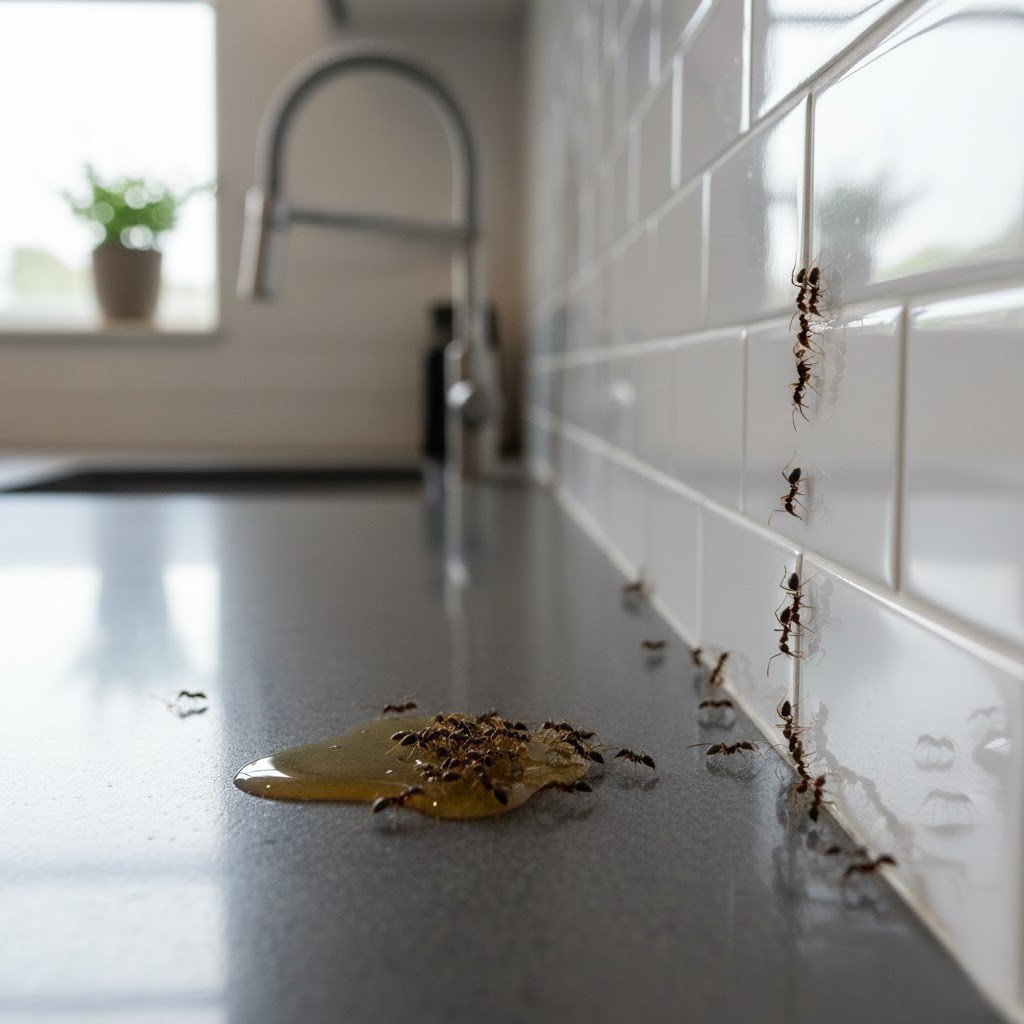
Caption: Sugar ants often follow invisible pheromone trails to find food sources in your kitchen.
How to Get Rid of Sugar Ants in House: Step-by-Step
Eliminating sugar ants requires more than a can of bug spray. In fact, using contact killers (sprays that kill on sight) can often make the problem worse by causing a phenomenon called “budding,” where the colony senses a threat and splits into multiple smaller colonies throughout your walls.
1. Identify the Source and Trail
Before you clean, observe. Follow the line of ants to see where they are entering and where they are going. Common entry points include:
- Gaps in window seals
- Cracks in baseboards
- Electrical outlets
- Underneath doorways
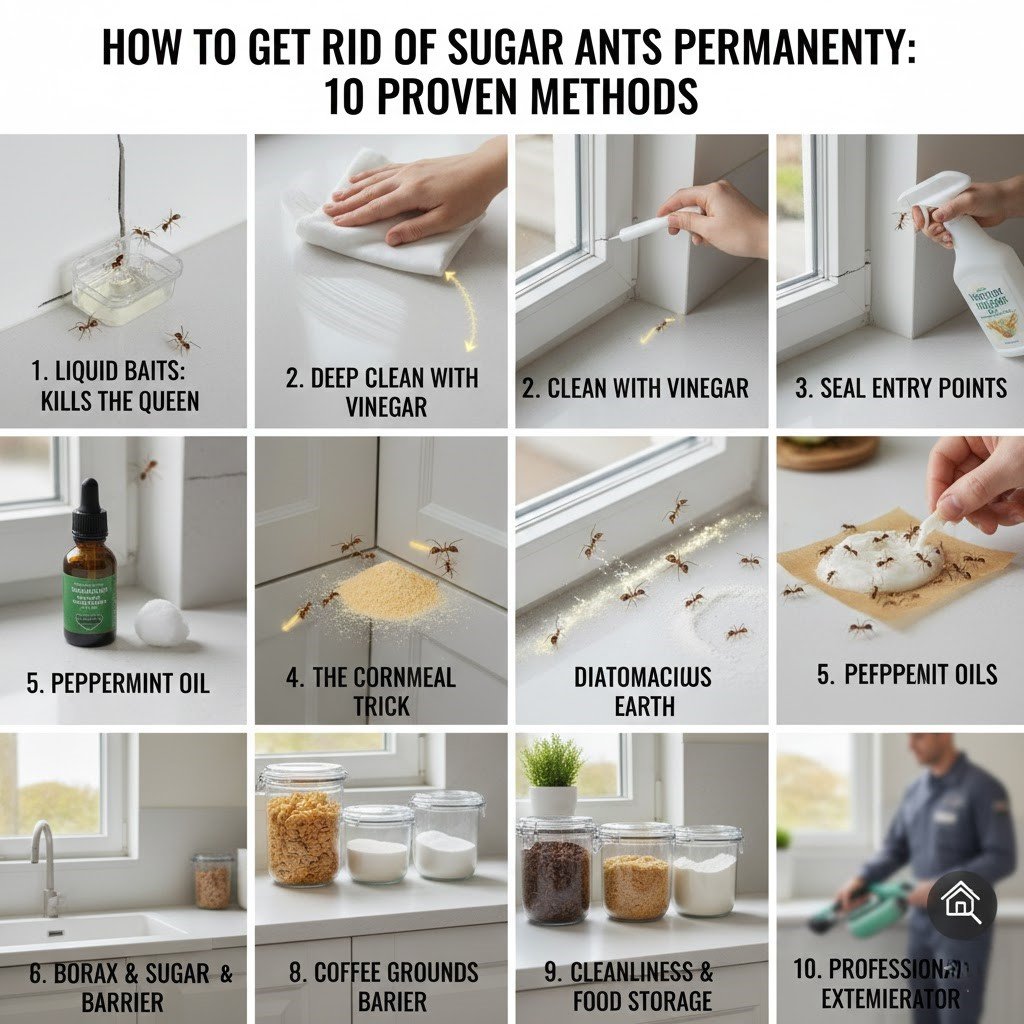
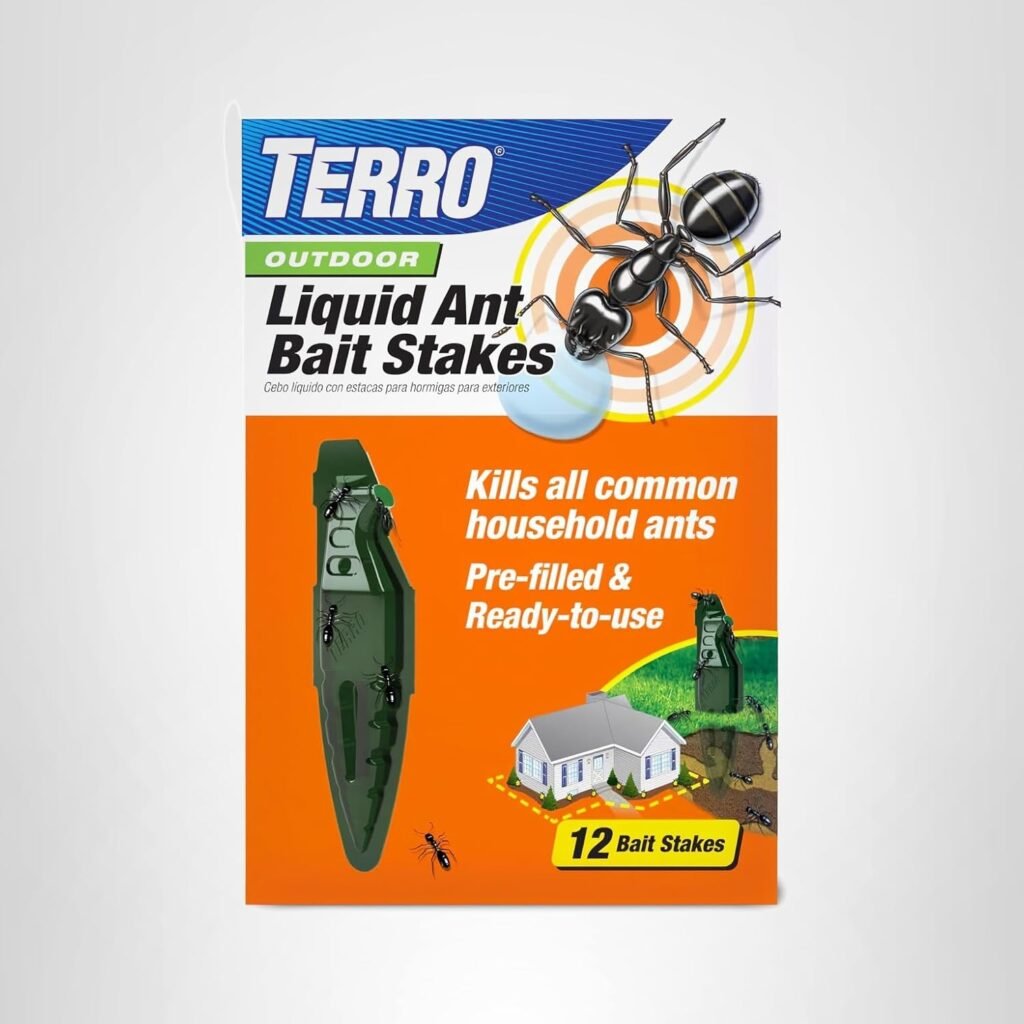
2. Use Slow-Acting Bait Stations
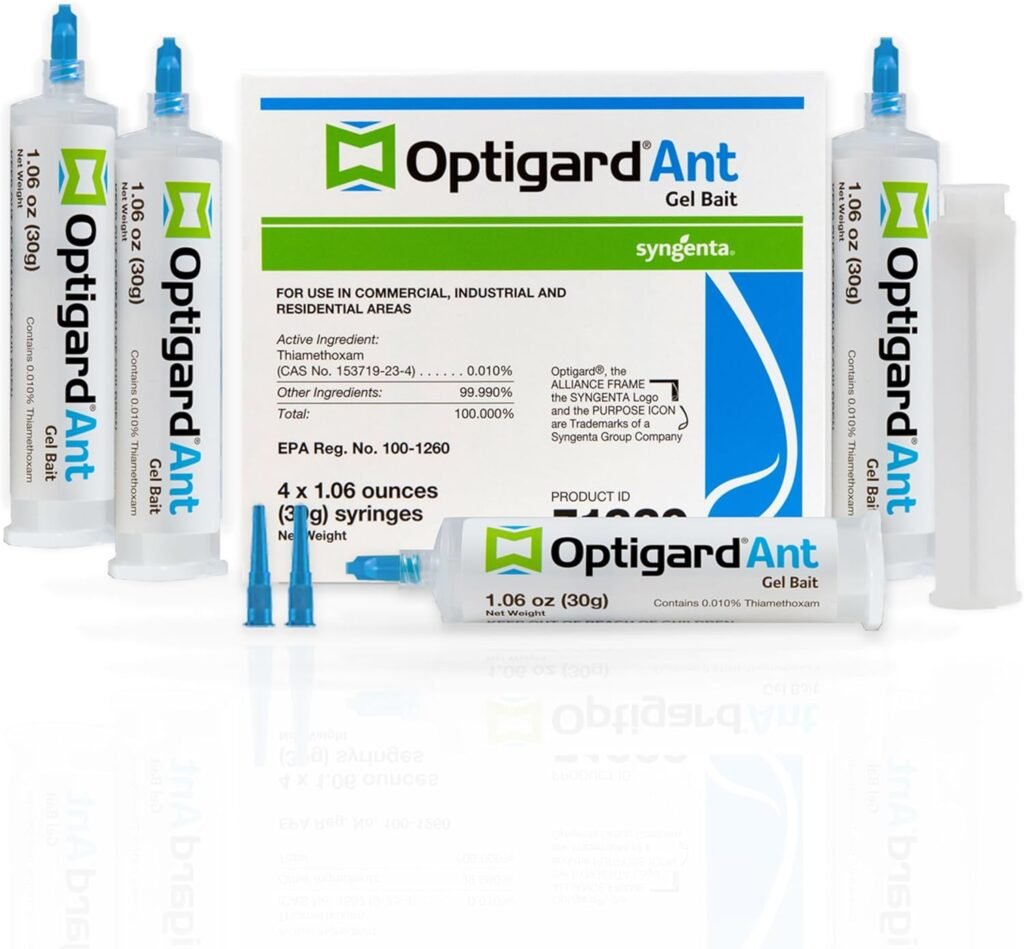
Baiting is the most effective way to kill a sugar ant colony. The goal is to provide a toxic food source that the workers will carry back to the queen.
- Borax-Based Baits: These are highly effective for sugar ants. The ants are attracted to the liquid sugar but the Borax eventually interferes with their digestive systems.
- Placement: Place baits directly in the ants’ path but away from areas where children or pets can reach them.
- Patience is Key: You will see more ants initially. Do not kill them. They must live long enough to deliver the bait to the nest.
3. Deep Clean with Vinegar
Once the baiting process is complete (usually 3–5 days), you need to destroy the pheromone trails. Ants leave a chemical scent behind so their sisters can find the food. A 50/50 mixture of white vinegar and water is a natural and effective way to neutralize these trails and discourage new scouts from entering.
Common Areas for Infestations
| Room | Why They Are There | Solution |
| Kitchen | Crumbs, open honey jars, trash cans. | Store all food in airtight containers; wipe down counters daily. |
| Bathroom | Standing water, toothpaste residue, damp mats. | Fix leaky faucets; ensure the room is well-ventilated. |
| Pantry | Flour bags, cereal boxes, spilled grains. | Move dry goods to glass or hard plastic bins. |
| Living Room | Indoor plants, spilled juice, pet bowls. | Clean pet bowls after every meal; check plant soil for nests. |
Natural and DIY Remedies
While professional-grade baits are the fastest route, many homeowners prefer natural methods to deter sugar ants in the house.
- Diatomaceous Earth (DE): Use food-grade DE. It is a fine powder that dehydrates ants by breaking down their exoskeletons. Sprinkle it along baseboards and entry points.
- Essential Oils: Peppermint, clove, and tea tree oils are natural deterrents. While they won’t kill the colony, they can prevent ants from entering specific areas.
- Cinnamon and Cayenne: These act as physical and olfactory barriers. Ants dislike the texture and the strong scent, making them useful for temporary “blocking” of entry points.
When DIY Isn’t Enough: The Signs of a Larger Nest
Sometimes, the infestation is too deep within the structure of your home for retail baits to work. If you have been baiting for more than two weeks and still see no reduction in activity, you likely have a satellite colony or a nest located within your wall voids or crawl space.
At this stage, professional intervention is necessary to identify the specific species and use non-repellent insecticides that penetrate deeper into the colony hierarchy. You can find more information on professional pest standards through the National Pest Management Association.
Long-Term Prevention Strategies
To ensure sugar ants don’t return, you must make your home an inhospitable environment for them.
Seal the Perimeter
Walk around the exterior of your home. Look for tree branches touching the roof or siding, as these act as “ant highways.” Trim them back at least 18 inches. Use silicone caulk to seal gaps around windows and utility lines entering the house.
Manage Waste
Your kitchen trash can is a buffet for ants. Use a trash can with a tight-sealing lid and rinse out recyclable containers (like soda cans or jam jars) before putting them in the bin.
Professional Maintenance
Regular inspections can catch an infestation before it becomes a full-blown invasion. Understanding the local pest cycles in your area can help you prepare for the “ant season” in early spring.
Expert Support for Your Home
Taking care of a home is a full-time job, and sometimes you need a partner who understands the nuances of property maintenance and pest prevention. Whether you are dealing with a persistent ant problem or want to ensure your home remains a sanctuary, expert advice is just a phone call away. We specialize in connecting homeowners with the right resources to maintain a clean, safe, and pest-free environment.
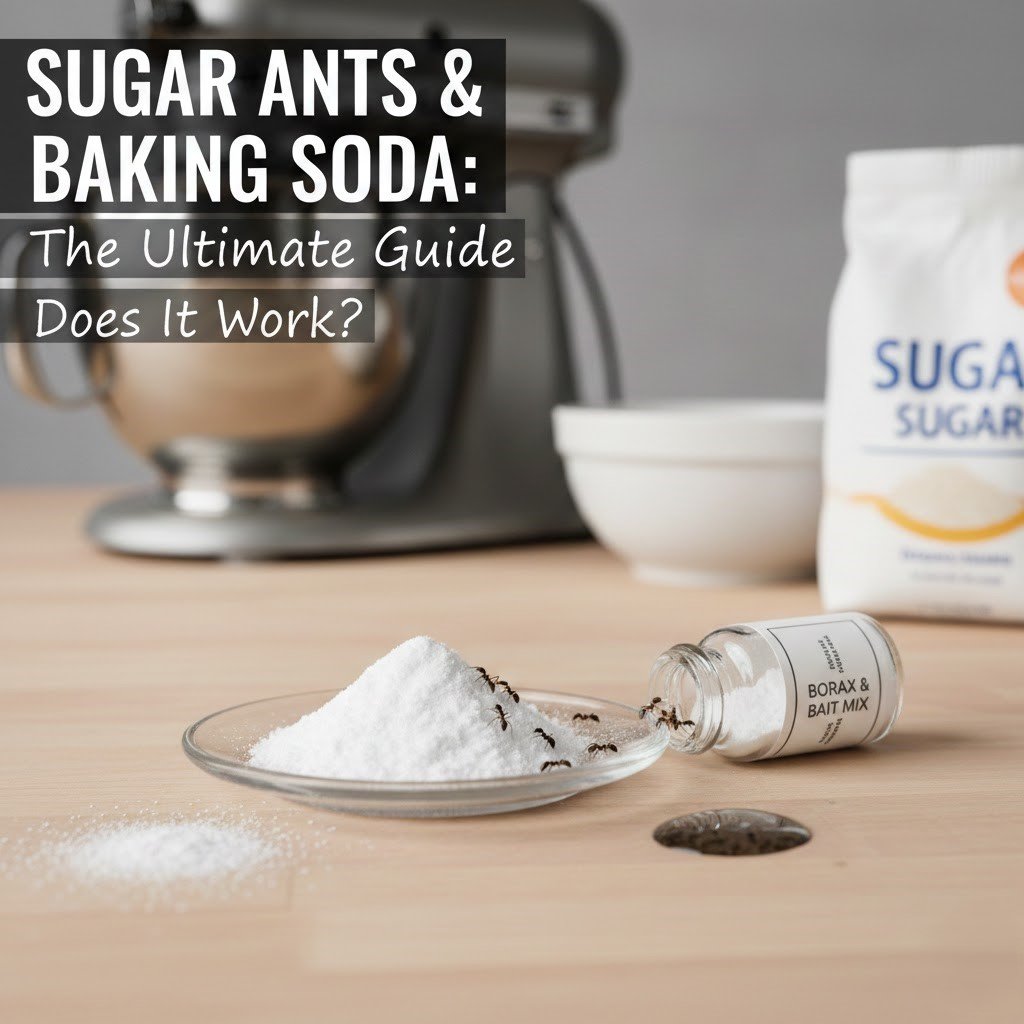
Read More Guide: Sugar Ants Baking Soda: Does It Work? The Ultimate Guide
Frequently Asked Questions
Why do sugar ants suddenly appear in my bathroom?
While the kitchen is the most common spot, sugar ants often visit bathrooms in search of water. They are attracted to the moisture in damp bath mats, condensation on pipes, and even the sweet residue found in certain soaps and toothpastes.
Does boiling water kill sugar ant nests?
Boiling water will kill the ants it touches, but it is rarely effective for indoor infestations. Most nests are hidden behind walls or deep underground, and the water will cool down before it ever reaches the queen.
Can sugar ants bite humans?
Sugar ants do not have a stinger and their mandibles are usually too small to break human skin. They are considered a “nuisance pest” rather than a physical threat, though they can contaminate food.
How long does it take for bait to work?
Typically, you will see a significant decrease in ant activity within 3 to 7 days. However, it can take up to two weeks to completely wipe out a large colony.
Will vinegar kill the ants?
Vinegar is a contact killer, meaning it can kill individual ants if sprayed directly on them. However, its primary use is to dissolve the pheromone trails that ants use to navigate, effectively “blinding” the rest of the colony.
Conclusion
Dealing with sugar ants in the house requires a balance of immediate action and long-term strategy. By using slow-acting baits instead of immediate sprays, you ensure that the entire colony—including the queen—is eliminated. Remember to keep surfaces dry, seal your food in airtight containers, and address entry points around your home’s perimeter.
- Don’t spray workers: Use baits to target the nest.
- Clean the trails: Use vinegar to disrupt their navigation.
- Seal the house: Prevent future scouts from entering.
With persistence and the right techniques, you can reclaim your home from these tiny intruders and keep them out for good.