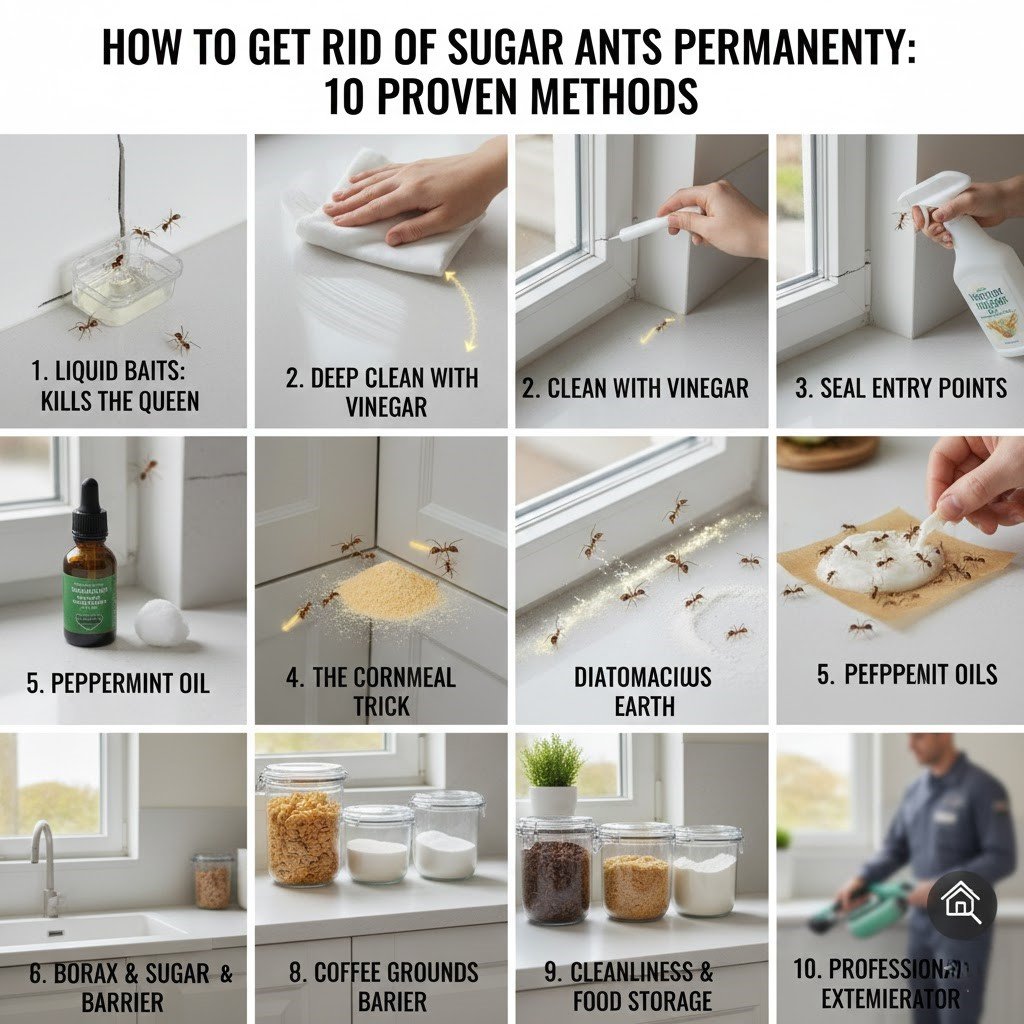
There is nothing quite as frustrating as walking into your kitchen to find a marching line of tiny insects claiming your countertop as their own. If you are reading this, you are likely looking for a solution that doesn’t involve spraying harsh, industrial chemicals near your food preparation areas. This is where the age-old remedy of vinegar for sugar ants comes into play. Many homeowners swear by this pantry staple, but it is important to understand exactly how it works, what its limitations are, and how it fits into a broader strategy of how to keep sugar ants away for good.
In this comprehensive guide, we will dive into the science of ant pheromones, the acidity of acetic acid, and the practical steps you can take today to reclaim your kitchen using natural ingredients.
The Science: Why Vinegar for Sugar Ants is Effective
To understand why vinegar is so widely recommended, you first have to understand the “sugar ant.” These pests—typically Odorous House Ants or Pharaoh Ants—rely almost entirely on their sense of smell. When a “scout” ant finds a food source, it leaves behind a chemical trail of pheromones. Think of this as a high-visibility highway that tells every other ant in the colony exactly where to go.
Using vinegar for sugar ants works because the acetic acid in vinegar acts as a powerful deodorizer and disruptor.
- Breaking the Trail: Vinegar dissolves the pheromone trail, essentially “blinding” the rest of the colony so they can no longer find the path to your sugar bowl or pet food.
- Repellent Properties: Ants intensely dislike the pungent scent of vinegar. While the smell fades for humans as it dries, it remains potent to the sensitive olfactory receptors of an ant.
- Contact Killing: While vinegar is not a residual insecticide, a direct spray of undiluted white vinegar can kill individual sugar ants by breaking down their exoskeletons and causing respiratory failure.
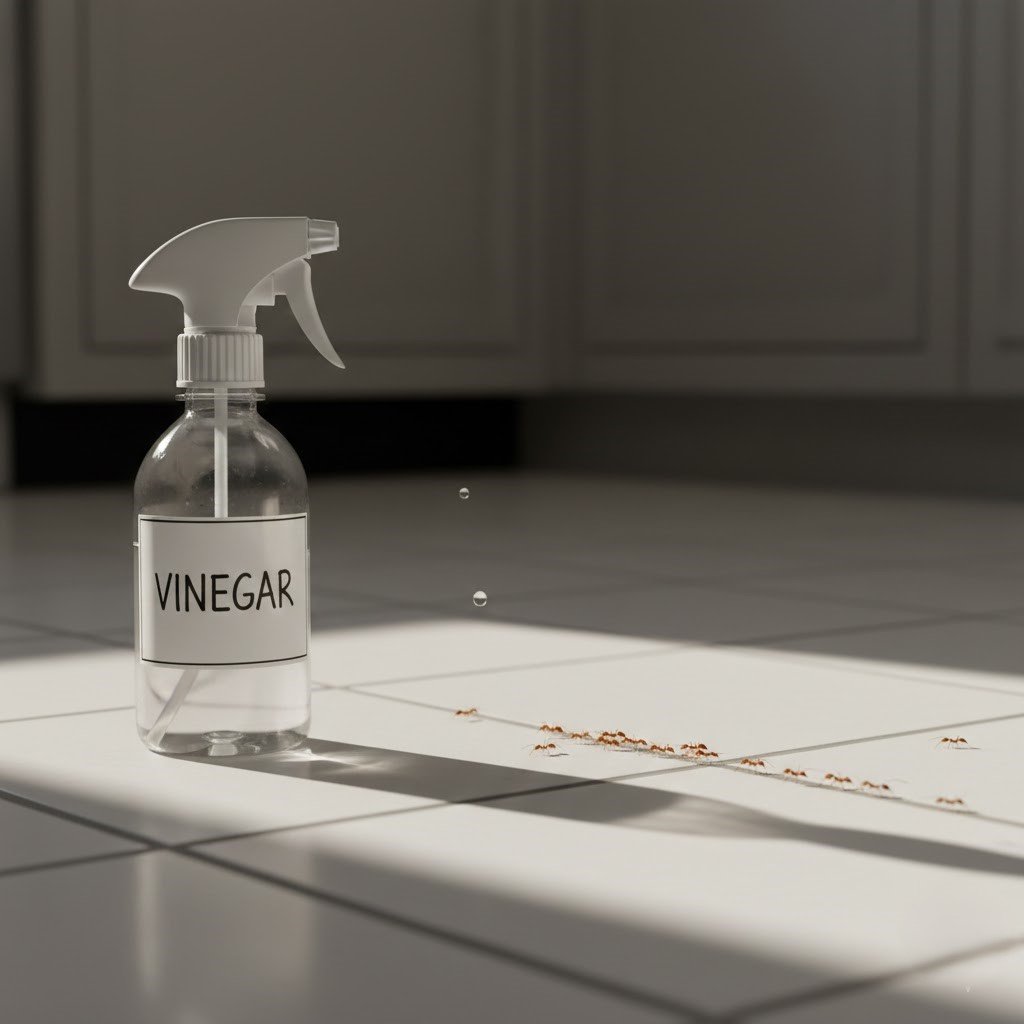
A simple 50/50 water and vinegar solution is a powerful first line of defense against household ant trails.
How to Use Vinegar for Sugar Ants: A Step-by-Step Protocol
If you want to move beyond just spraying random spots and actually see results, you need a methodical approach.
Step 1: Create Your Solution
For general maintenance and trail-breaking, a 1:1 ratio of distilled white vinegar and water is the industry standard. However, if you are dealing with a heavy infestation, using undiluted white vinegar is more effective for the initial cleanup.
Step 2: Identify the Source
Before you start wiping everything down, watch the ants for a moment. Where are they coming from? Look for tiny cracks in the baseboards, gaps in window seals, or holes around plumbing fixtures. This is where you will need to focus your “barrier” spray later.
Step 3: Wipe and Saturate
Spray the vinegar solution directly onto the ants you see and wipe them up with a paper towel. Afterward, saturate the entire area where the trail was located. Do not just wipe it dry immediately; let the vinegar sit for a few minutes to ensure the pheromones are completely neutralized.
Step 4: Focus on Entry Points
Spray a heavy layer of vinegar around the entry points you identified in Step 2. This serves as a temporary chemical fence.
Limitations: What Vinegar Cannot Do
It is vital to be realistic about E-E-A-T (Experience, Expertise, Authoritativeness, and Trustworthiness) standards when discussing pest control. While vinegar for sugar ants is an excellent deterrent, it is not a “silver bullet” for a massive infestation.
- It Does Not Kill the Nest: Vinegar only affects the ants it touches. It does not travel back to the colony to kill the queen.
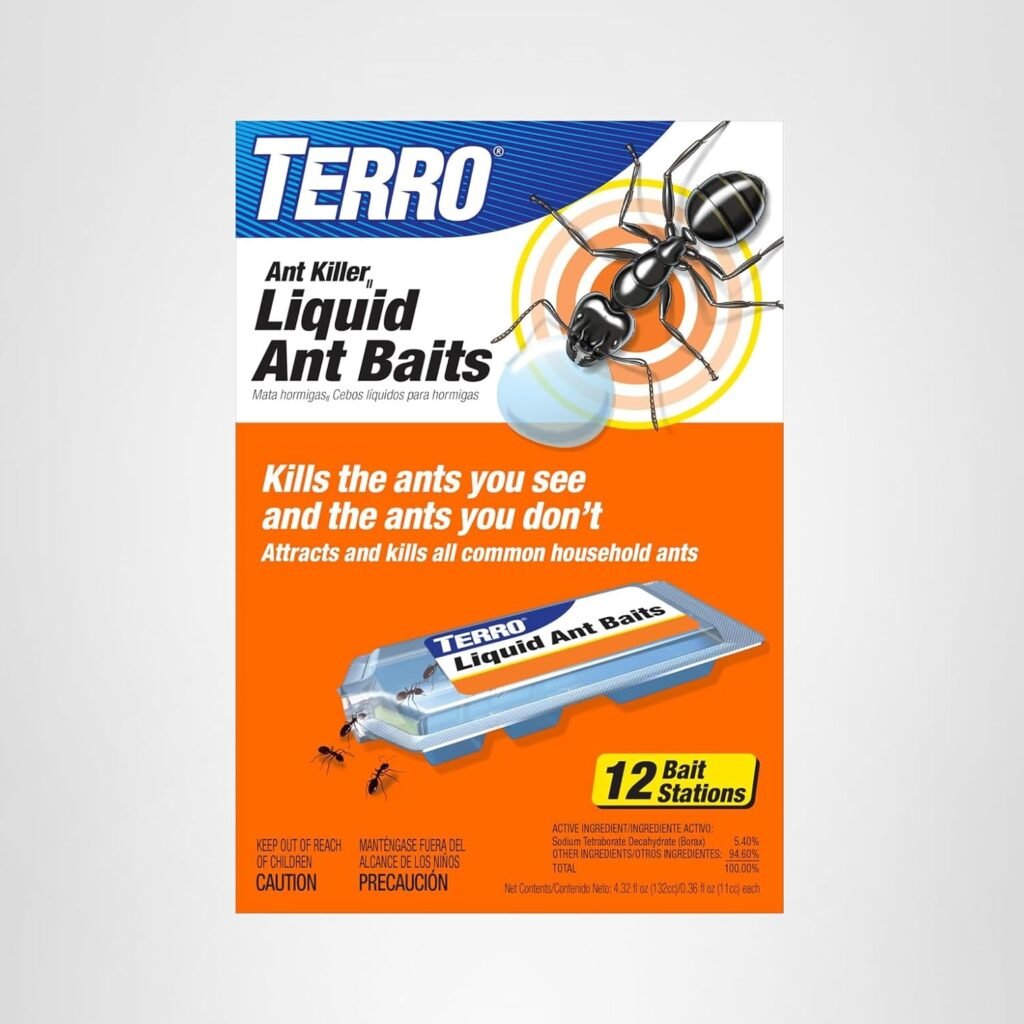
- It Evaporates: Once the scent is completely gone (usually within 24–48 hours), the repellent effect diminishes.
- Surface Sensitivity: Never use vinegar on natural stone like marble or granite, as the acid can etch and damage the surface.
Beyond the Spray: How to Keep Sugar Ants Away
If you truly want to stop the cycle of infestations, you must combine your vinegar treatments with long-term prevention strategies. Learning how to keep sugar ants away involves modifying your environment to be less attractive to scouts.
1. Master the “Dry Kitchen”
Sugar ants are often more interested in water than food. A leaky faucet or a damp sponge can be just as much of a magnet as a spilled soda.
- Wipe down sinks every night.
- Fix any dripping pipes under the cabinet.
- Empty pet water bowls overnight if possible.
2. Strategic Food Storage
“Sugar ants” is a bit of a misnomer; they also love proteins and fats.
- Store all pantry items (flour, sugar, cereal) in airtight glass or plastic containers.
- Wipe out the “honey drip” from the outside of jars.
- Do not leave dirty dishes in the dishwasher for days at a time.
3. Seal the Perimeter
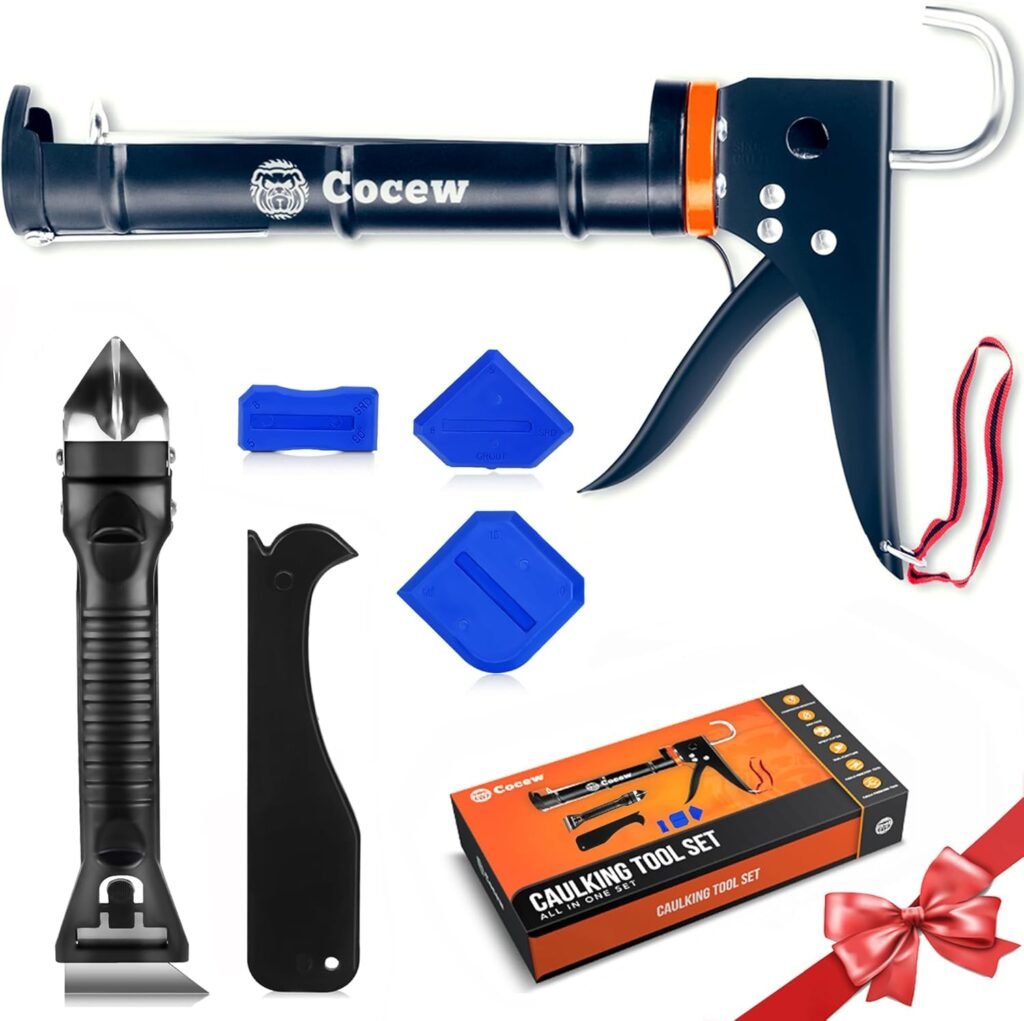
Vinegar acts as a temporary barrier, but caulk is permanent. Use a high-quality silicone caulk to seal gaps around window frames and doors.
| Method | Role | Longevity |
| Vinegar Spray | Disrupts trails & kills on contact | Short-term (Hours/Days) |
| Airtight Storage | Removes the “Reward” for ants | Permanent |
| Caulking/Sealing | Physically blocks entry | Long-term (Years) |
| Essential Oils | Boosts vinegar’s repellent power | Short-term (Days) |
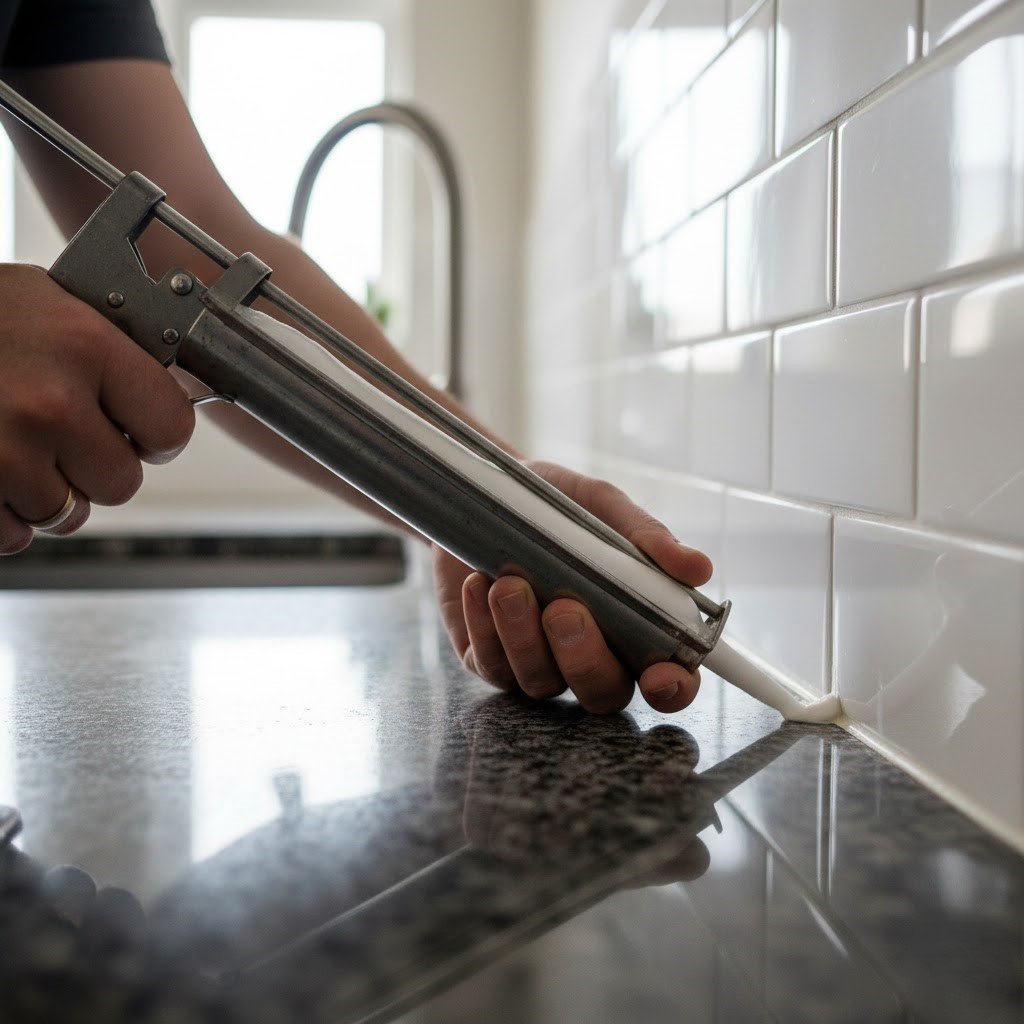
Cealing physical entry points is the most effective long-term strategy for keeping sugar ants out of your home.
Enhancing Your Vinegar Solution
If the scent of vinegar is too much for you, or if you want to increase its potency, you can add essential oils. Research from National Pesticide Information Center suggests that certain plant-based oils have significant repellent properties.
- Peppermint Oil: Ants find the menthol overwhelming.
- Tea Tree Oil: Acts as a natural insecticide and antifungal agent.
- Lemon Juice: Adds citric acid to the acetic acid, doubling the trail-disruption power.
Pro-Tip: Add 10–15 drops of peppermint oil to your vinegar spray bottle for a “super-spray” that smells fresh to humans but is terrifying to ants.
Read More Guide: Best Ant Traps for Sugar Ants: Top-Rated Solutions to Stop Infestations
Integrated Pest Management (IPM)
Professional pest controllers use a system called Integrated Pest Management. This means using the least toxic method first (like vinegar and cleaning) before moving to baits or professional intervention. According to Cornell University’s IPM Program, sanitation is 90% of the battle. If you use vinegar for sugar ants but leave a half-eaten donut on the counter, the ants will eventually find a way past the vinegar.
If you have tried the vinegar method and are still seeing hundreds of ants daily, the colony may be nested inside your walls. In these cases, the queen is producing new workers faster than you can repel them. This is when a professional assessment becomes invaluable to prevent structural damage or food contamination.
FAQ Section
Is apple cider vinegar as effective as white vinegar for sugar ants?
Yes, both contain acetic acid. However, white vinegar is generally preferred because it is clear (no staining) and slightly more acidic. Apple cider vinegar contains fruit sugars that could, in some rare cases, actually attract other pests like fruit flies.
Will vinegar kill ant eggs?
No. Vinegar is effective against the adult ants and the pheromone trails, but it does not penetrate ant eggs. To fully eliminate a colony, you must address the nesting site or use a bait that the ants carry back to the queen.
How often should I spray vinegar to keep ants away?
During an active “ant season” (usually spring and summer), spraying entry points once every two days is recommended. Once you haven’t seen an ant for a week, you can reduce this to a weekly deep clean.
Is vinegar safe to use around pets?
Yes, this is one of the primary reasons people choose vinegar for sugar ants. Unlike synthetic pyrethroids found in many store-bought sprays, diluted vinegar is non-toxic to dogs and cats, though they may not enjoy the smell!
Can I use vinegar on my lawn to stop ants?
Be careful! Vinegar is a non-selective herbicide. If you spray it on your grass or garden to stop ants, it will likely kill the plants it touches. Stick to using vinegar on hard surfaces like patios, walkways, or indoors.
Why did the ants come back after I used vinegar?
If they returned, it’s likely because the source of the food was not removed, or they found a new route that hasn’t been treated yet. Remember, vinegar is a deterrent and a trail-breaker, not a permanent barrier.
Conclusion
Using vinegar for sugar ants is a scientifically sound, eco-friendly, and cost-effective way to manage minor pest problems. By dissolving pheromone trails and acting as a powerful repellent, it buys you the time needed to clean your kitchen and seal up entry points.
To recap your action plan:
- Mix a 50/50 white vinegar and water solution.
- Saturate trails and entry points to “blind” the colony.
- Eliminate standing water and unsealed food.
- Seal cracks with caulk to provide a permanent physical barrier.
While vinegar is a fantastic tool for the DIY homeowner, don’t hesitate to seek professional help if the infestation persists. Reclaiming your home is about being consistent, being clean, and staying one step ahead of the scouts.