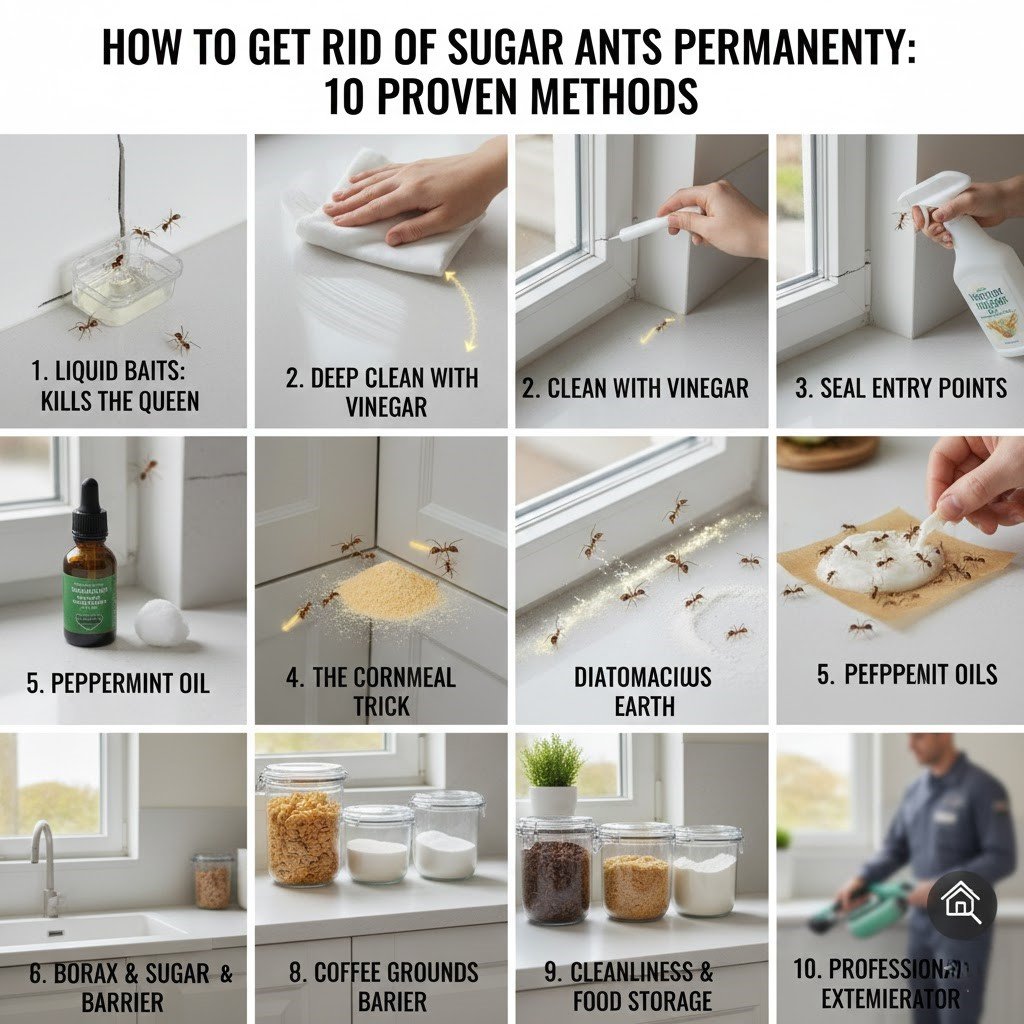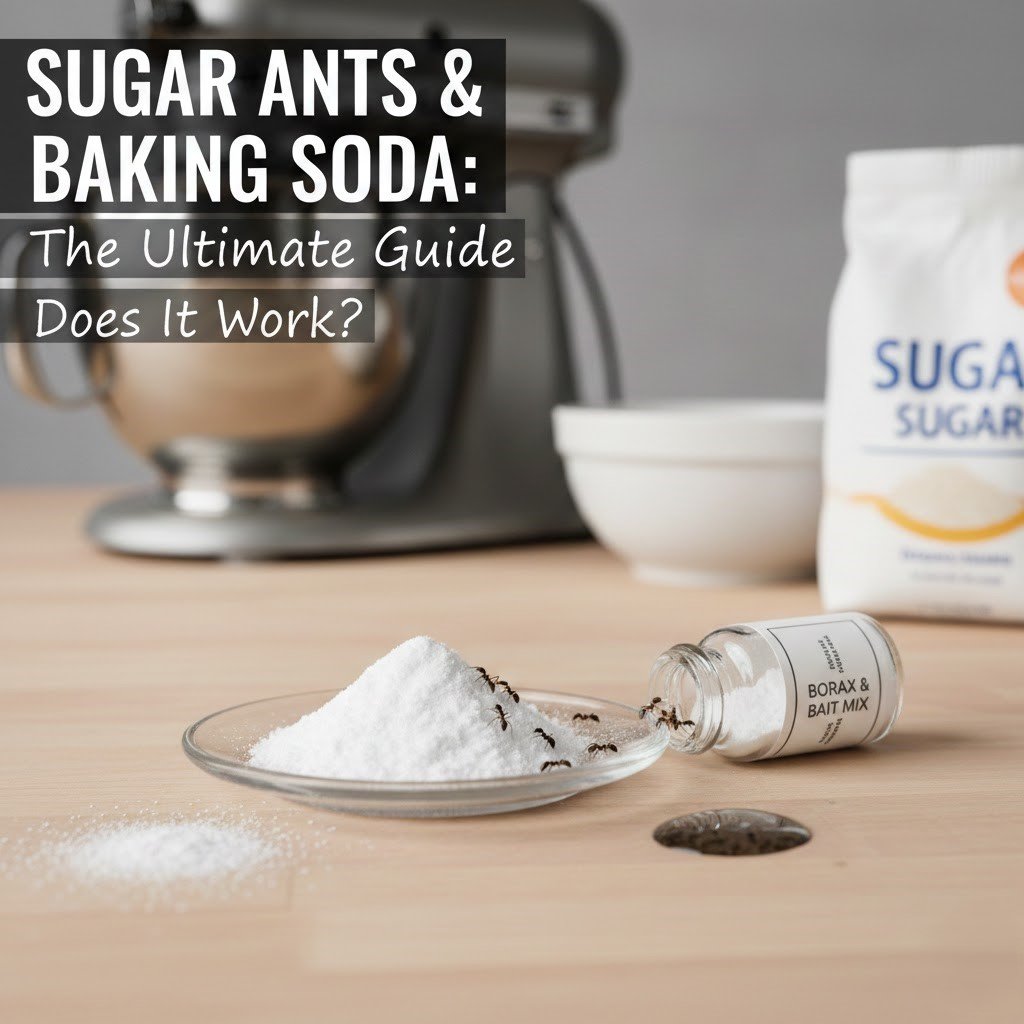
Living in the Sunshine State offers year-round warmth and beautiful landscapes, but it also presents a unique set of challenges for homeowners. Chief among these is the constant battle against sugar ants Florida residents face every day. Unlike more temperate climates where pests go dormant in the winter, the subtropical environment of Florida provides the perfect breeding ground for these tiny, persistent invaders $365 days a year. Whether you are in Miami, Orlando, or Jacksonville, the struggle to keep your kitchen counters free of these microscopic foragers is a shared experience.
If you have recently discovered a trailing line of insects near your sink or pantry, you are likely dealing with florida sugar ants. These pests are not just a nuisance; they are opportunistic foragers that can contaminate food and seemingly appear out of nowhere. This guide is designed to help you understand why they are so prevalent in our state, how to identify the specific species in your home, and—most importantly—how to eliminate them using methods tailored to the Florida climate.
Why Florida is the “Capital” of Sugar Ants
Florida’s ecology is perfectly suited for ant proliferation. Several factors make sugar ants Florida a particularly stubborn problem compared to the rest of the country.
High Humidity and Moisture
Ants are highly sensitive to desiccation (drying out). Florida’s average humidity levels provide the perfect ambient moisture for ants to thrive outside and inside wall voids. Heavy tropical afternoon rains also drive Florida sugar ants indoors as their outdoor nests become flooded, forcing them to seek higher, drier ground—often inside your kitchen or bathroom.
Sandy Soil Structures
Many ant species prefer the loose, sandy soil found across the Florida landscape. This allows for deep, complex nesting structures that are difficult to reach with standard surface-level pest treatments.
The Year-Round Breeding Cycle
Because Florida rarely experiences a hard freeze, sugar ants Florida colonies do not go dormant. They continue to produce new queens and workers throughout the winter, meaning a small problem in October can become a massive infestation by January if left unchecked.
Identifying the Most Common Florida Sugar Ants
To fight them, you must know them. While they all look like “tiny black specks” from a distance, the specific species dictates the treatment method.
1. Ghost Ants (Tapinoma melanocephalum)
Perhaps the most iconic of the Florida sugar ants, Ghost ants are tiny (about $1.5$ mm) and have a dark head with a translucent, pale abdomen. They are called “ghosts” because they seem to disappear and reappear on light-colored surfaces.
- Behavior: They move erratically and are highly attracted to moisture and sweets.
- Common Spot: Behind baseboards and inside potted plants.
2. Odorous House Ants (Tapinoma sessile)
These are slightly larger ($2.4$ to $3.3$ mm) and solid brown or black.
- Behavior: When crushed, they emit a pungent, chemical smell often compared to rotten coconuts.
- Common Spot: Inside wall voids near water pipes.
3. Pharaoh Ants (Monomorium pharaonis)
These are pale yellow to reddish.
- Behavior: They are notorious for “budding,” meaning they create satellite nests if they sense a repellent spray. This makes them one of the hardest sugar ants Florida residents face.
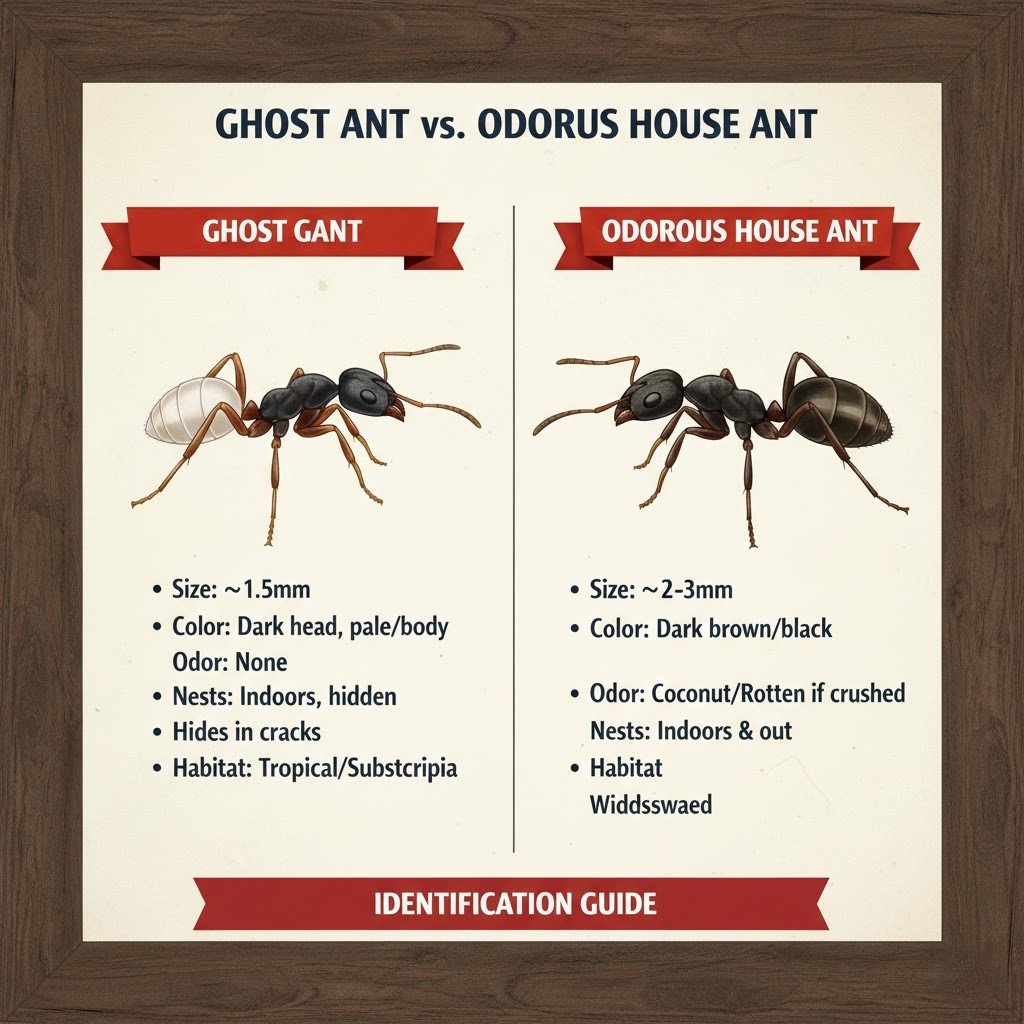
Accurate identification of Florida sugar ants is the first step toward choosing the right baiting strategy.
Effective Control Strategies for the Florida Climate
Controlling sugar ants Florida requires a multi-faceted approach. You cannot simply spray a barrier and expect it to hold in the Florida sun and rain.
Professional-Grade Baiting
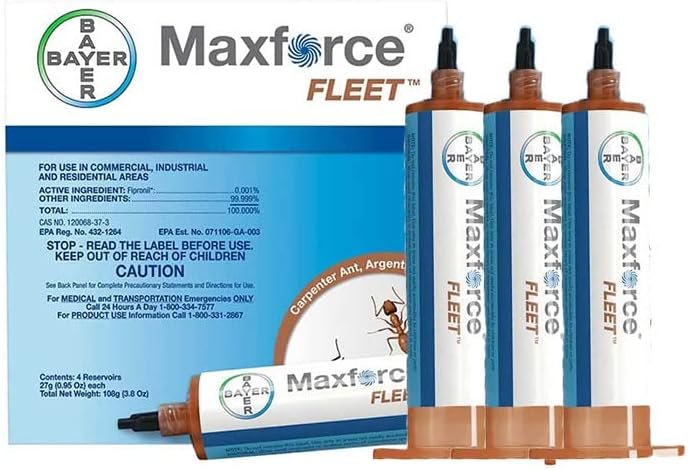
Because of the risk of budding, especially with Pharaoh ants, non-repellent baits are the best tool.
- Liquid Baits: These are ideal for the dry indoors during the air-conditioning season.
- Gel Baits: Perfect for applying into the cracks of sliding glass door tracks, a common entry point in Florida homes.
Exterior Perimeter Management
In Florida, the “battle of the yard” is where the war is won.
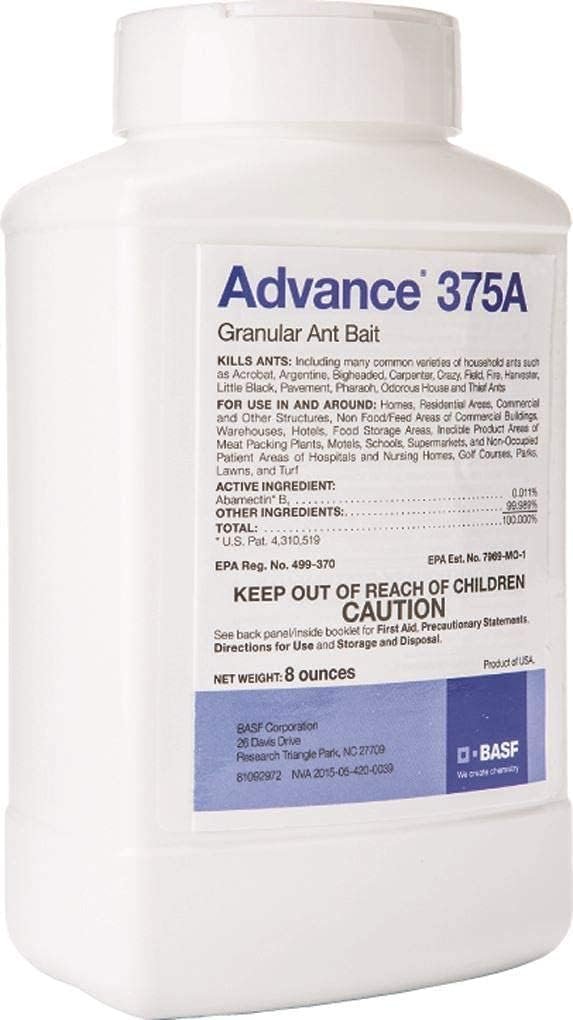
- Granular Baits: Use weather-resistant granules in mulch beds.
- Trimming Vegetation: Ensure that “Florida Friendly” landscaping doesn’t touch the side of your house. Trees and shrubs act as bridges for Florida sugar ants to bypass your foundation treatments.
Moisture Control
Florida’s humidity is the enemy.
- Check the “sweat” on your AC condensation lines.
- Ensure gutters are clear and downspouts direct water at least three feet away from the foundation.
- Fix leaky outdoor spigots immediately.
The Seasonal Surge: Summer vs. Winter
Managing sugar ants Florida changes with the seasons.
| Season | Primary Driver | Best Action |
| Spring/Summer | Heavy rains and heat | Focus on sealing exterior cracks and using weather-resistant granules. |
| Fall/Winter | Search for warmth/food | Focus on indoor deep cleaning and liquid baiting in the kitchen. |
During the rainy season, you might notice Florida sugar ants appearing in second-story bathrooms. This is common in Florida homes as ants crawl up the exterior stucco to escape saturated ground soil.
Natural Deterrents for Florida Homeowners
While baits are needed for the nest, you can use natural methods to keep scouts away.
- White Vinegar: Use a 50/50 mix to wipe down counters. This is particularly effective in Florida where food spoils fast and attracts ants instantly.
- Peppermint Oil: Ants hate the smell. Dab it around the tracks of your sliding glass doors.
- Diatomaceous Earth: Sprinkle this in dry areas like the attic or behind the kickplates of your kitchen cabinets.
For more information on the specific regulations regarding pesticide use in the state, you can visit the Florida Department of Agriculture and Consumer Services (FDACS).
Long-Term Prevention for the Sunshine State
The secret to a home free of sugar ants Florida is consistency.
- Seal the Stucco: Check for cracks in your home’s exterior finish. Even a tiny hairline crack is a highway for a ghost ant.
- Airtight Storage: In Florida, “chip clips” aren’t enough. Use glass or hard plastic containers with silicone seals to keep Florida sugar ants out of your pantry staples.
- Manage Pet Areas: Don’t leave pet food out overnight. Use “ant-proof” bowls that have a water moat around the base.
By understanding the local pest cycles and maintaining a dry, sealed home, you can significantly reduce the pressure from these tiny invaders.
Expert Protection for Florida Properties
Living in Florida means constantly defending your home from the elements and the local wildlife. Whether you are dealing with a sudden surge of ants after a tropical storm or you want to establish a year-round barrier for your property, having a professional perspective can make all the difference. You shouldn’t have to spend your weekends hunting for ant trails in the humidity.
We pride ourselves on helping Florida homeowners find the right balance between DIY maintenance and professional-grade solutions to keep their homes comfortable and pest-free.
FAQ: Sugar Ants in Florida
Why do I have sugar ants in my bathroom but not the kitchen?
In Florida, this is often due to moisture. Ants are frequently attracted to the condensation on pipes, leaky faucets, or even the residue in shampoo bottles. If they find a consistent water source in your bathroom, they may nest in the wall voids nearby.
Can Florida sugar ants survive a hurricane?
Actually, many ant species have evolved to survive floods. They can form “living rafts” by clinging together, floating on the surface of floodwaters until they reach a dry structure—which is often your home.
Are sugar ants the same as fire ants?
No. While both are common in Florida, sugar ants are much smaller and do not have a painful sting. Fire ants build large mounds in the dirt and are aggressive, whereas sugar ants are primarily a nuisance in the kitchen.
Why do I see “winged” ants in my house in the spring?
These are “swarmers” or reproductives. They are future queens and kings leaving the nest to start a new colony. Seeing them inside usually means there is an established nest somewhere within the structure of your home.
Is it safe to use Borax for Florida sugar ants?
Borax is a common DIY solution, but in Florida’s high humidity, Borax powder can clump and become unattractive to ants. Using a pre-mixed liquid bait is usually more effective for the specific species found in the state.
How often should I treat my Florida home for ants?
Due to the heat and rain, exterior treatments usually need to be refreshed every 60 to 90 days. Indoor treatments are typically only necessary if an active infestation is spotted.
Read Our More Guides: Borax Sugar Ants Guide: How to Make the Ultimate DIY Bait
Conclusion
Managing sugar ants Florida style requires an understanding of our unique environment. Between the heavy rains that drive them indoors and the year-round warmth that keeps them breeding, Florida residents must be more vigilant than those in cooler climates. By identifying the specific species—whether it’s the elusive Ghost ant or the pungent Odorous House ant—you can apply the correct baits and seal the right entry points.
The key takeaways for a pest-free Florida home are:
- Eliminate moisture: Fix leaks and manage humidity.
- Bait, don’t spray: Avoid “budding” by using slow-acting toxins.
- Seal the exterior: Close the gaps in your stucco and window seals.
- Maintain the yard: Keep Florida’s lush greenery from touching your walls.
With a proactive approach and an eye for detail, you can enjoy all the benefits of Florida living without sharing your home with Florida sugar ants.