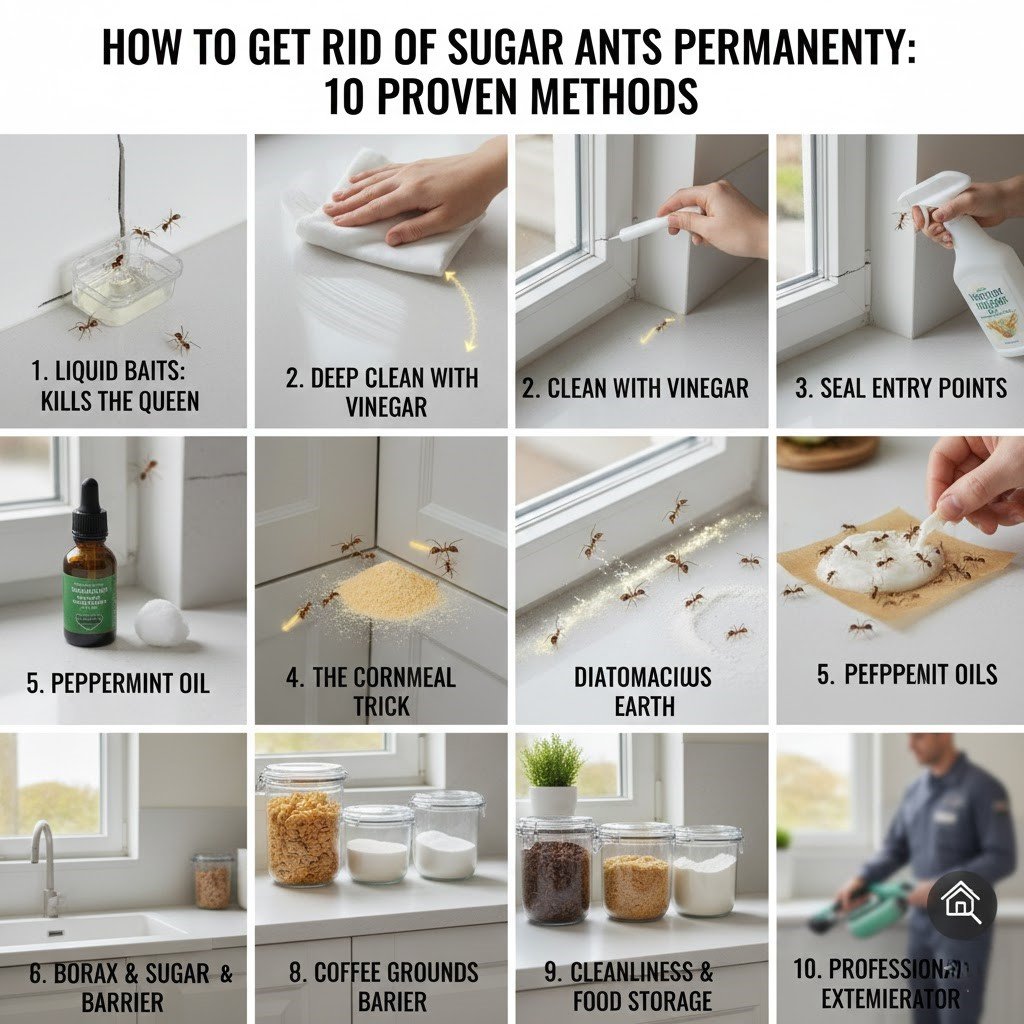
Finding a trail of tiny black insects marching across your kitchen counter is a universal homeowner nightmare. If you are currently dealing with a persistent invasion, you likely want to know how to exterminate sugar ants as quickly and efficiently as possible. These pests, while small, are incredibly resilient and possess a sophisticated social structure that makes them difficult to dislodge once they’ve claimed your pantry as their own.
In this guide, we will move beyond surface-level cleaning. We will dive into the biology of these pests, the most effective baiting strategies, and the professional-grade techniques required to exterminate sugar ants at the source: the colony.
What Exactly Are Sugar Ants?
Before you grab the spray, it is vital to understand your opponent. In the United States, “sugar ant” is a colloquial term used to describe several species of small, opportunistic ants attracted to sweets. These typically include Odorous House Ants, Pavement Ants, and sometimes Pharaoh Ants.
Regardless of the specific species, their behavior is the same. They send out “scouts” to find food. Once a source is located, they lay down a pheromone trail, essentially a chemical GPS map that tells thousands of their sisters exactly where to find your spilled honey or cereal crumbs. To successfully exterminate sugar ants, you must disrupt this communication and use it against them.
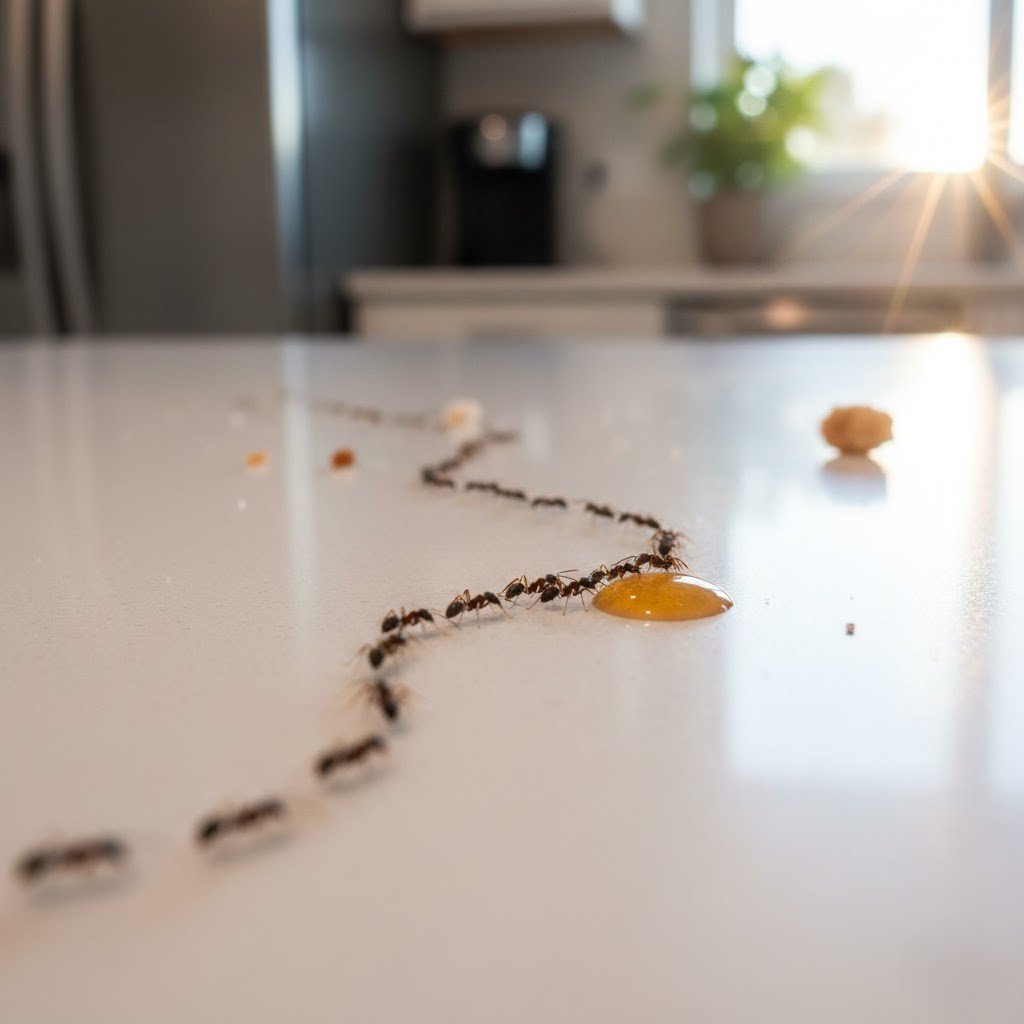
Caption: Identifying the trail is the first step in locating the sugar ant colony’s entry point.
Phase 1: Preparation and Identification
To exterminate sugar ants effectively, you cannot simply squash the ones you see. For every ant on your counter, there are likely a hundred more in the walls or underground.
Stop the “Smush” Reflex
Your first instinct is to kill the ants on sight. Resist this. Killing scout ants prevents them from bringing poisoned bait back to the queen. If the queen doesn’t die, the colony will simply produce more workers to replace the ones you killed.
Identify the Entry Points
Follow the trail. Sugar ants often enter through:
- Gaps in window seals
- Cracks in baseboards
- Openings around plumbing under the sink
- Vents and electrical outlets
Phase 2: The Baiting Strategy (The Most Effective Method)
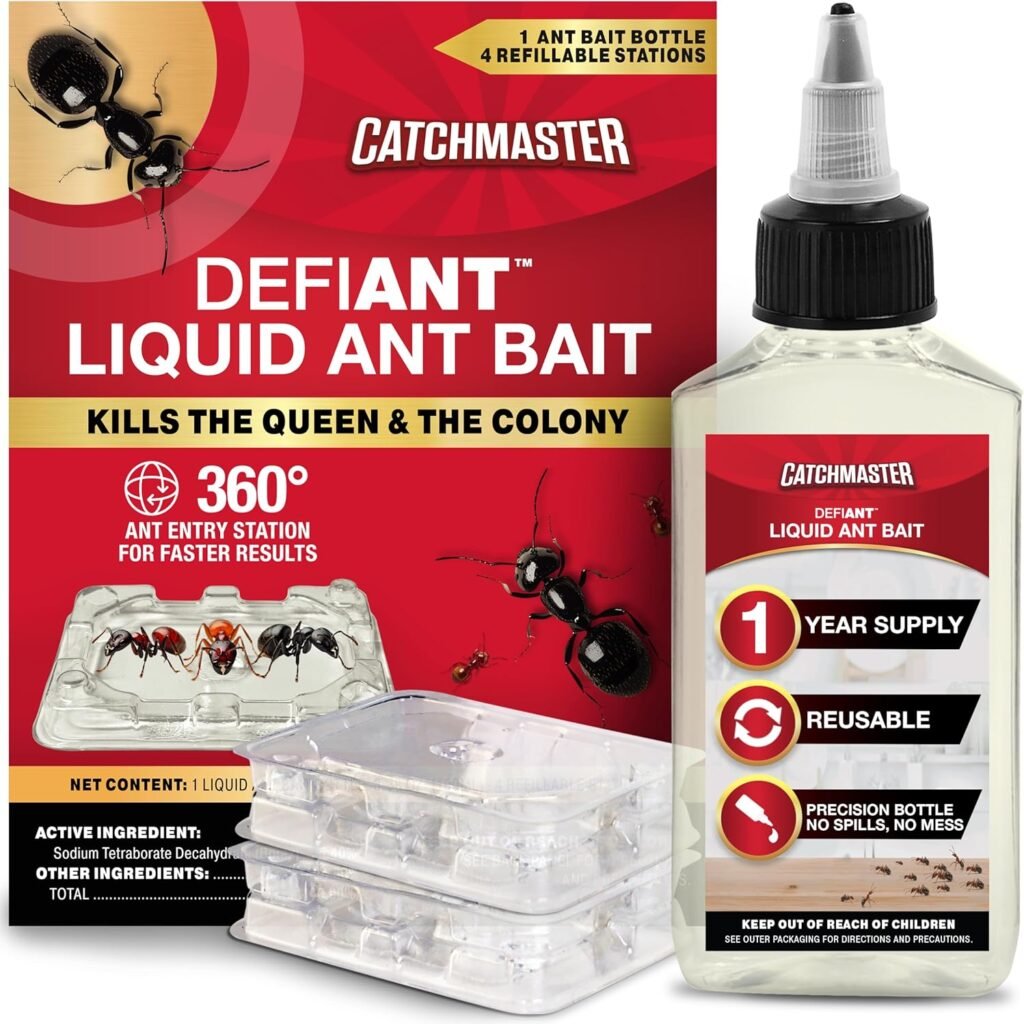
Baiting is the gold standard for how to exterminate sugar ants. This method uses the ants’ natural foraging behavior to deliver slow-acting toxins directly to the heart of the nest.
Why Baits Beat Sprays
Contact sprays only kill the ants you see. Furthermore, many over-the-counter sprays act as repellents. This can lead to a phenomenon called “budding,” where the colony senses danger and splits into multiple smaller colonies, making your infestation much harder to manage.
Choosing the Right Bait
Sugar ants generally prefer liquid or gel baits. Look for products containing Borax (Sodium Borate). It is low-toxicity for humans and pets but lethal to ants.
The Baiting Process
- Clean the area: Remove all other food sources. If there is a choice between your spilled soda and the bait, they might choose the soda.
- Place bait near the trail: Do not place it directly on the ants, as this may startle them. Place it alongside the path they are already taking.
- Wait and observe: Within hours, you may see more ants. This is a good sign. They are recruiting the colony to eat the “food.”
- Let them eat: Do not disturb the ants while they are feeding. They need to carry the bait back to the queen.
| Bait Type | Best Used For | Pros | Cons |
| Liquid Ant Baits | Kitchen counters, windowsills | Highly attractive to sugar ants | Can be messy; dries out |
| Gel Baits | Cracks, crevices, wall voids | Stays where you put it | Needs frequent reapplication |
| Granular Baits | Outdoor perimeters | Weather-resistant | Not as effective for indoor sugar ants |
Phase 3: Natural and Home Remedies
If you prefer a DIY approach before moving to commercial products, there are several household items that can assist in your quest to exterminate sugar ants.
White Vinegar and Water
Vinegar is a powerful tool because it destroys pheromone trails. While it won’t kill the colony, a 50/50 mix of white vinegar and water sprayed on surfaces will “blind” the ants, making it impossible for them to follow their previous paths.
Essential Oils
Peppermint, Tea Tree, and Clove oils are natural deterrents. Wiping down your baseboards with these oils can create a chemical barrier that sugar ants find offensive. According to research from National Pesticide Information Center, certain plant-based oils can disrupt the nervous systems of small insects.
Phase 4: Long-Term Prevention
Once you have successfully used bait to exterminate sugar ants, you must “fortify” your home to prevent a secondary invasion from a neighboring colony.
Deep Clean the “Hot Zones”
Ants have an incredible sense of smell. Even a tiny residue of sugar behind a toaster is enough to invite a new scout.
- Wipe down jars: Honey, jam, and syrup containers should be washed after every use.
- Sweep under appliances: Use a vacuum attachment to get the crumbs under the stove.
- Pet food management: Do not leave pet food out overnight. Use “moat” bowls (a bowl inside a slightly larger bowl of water) to protect pet food.
Seal the Exterior
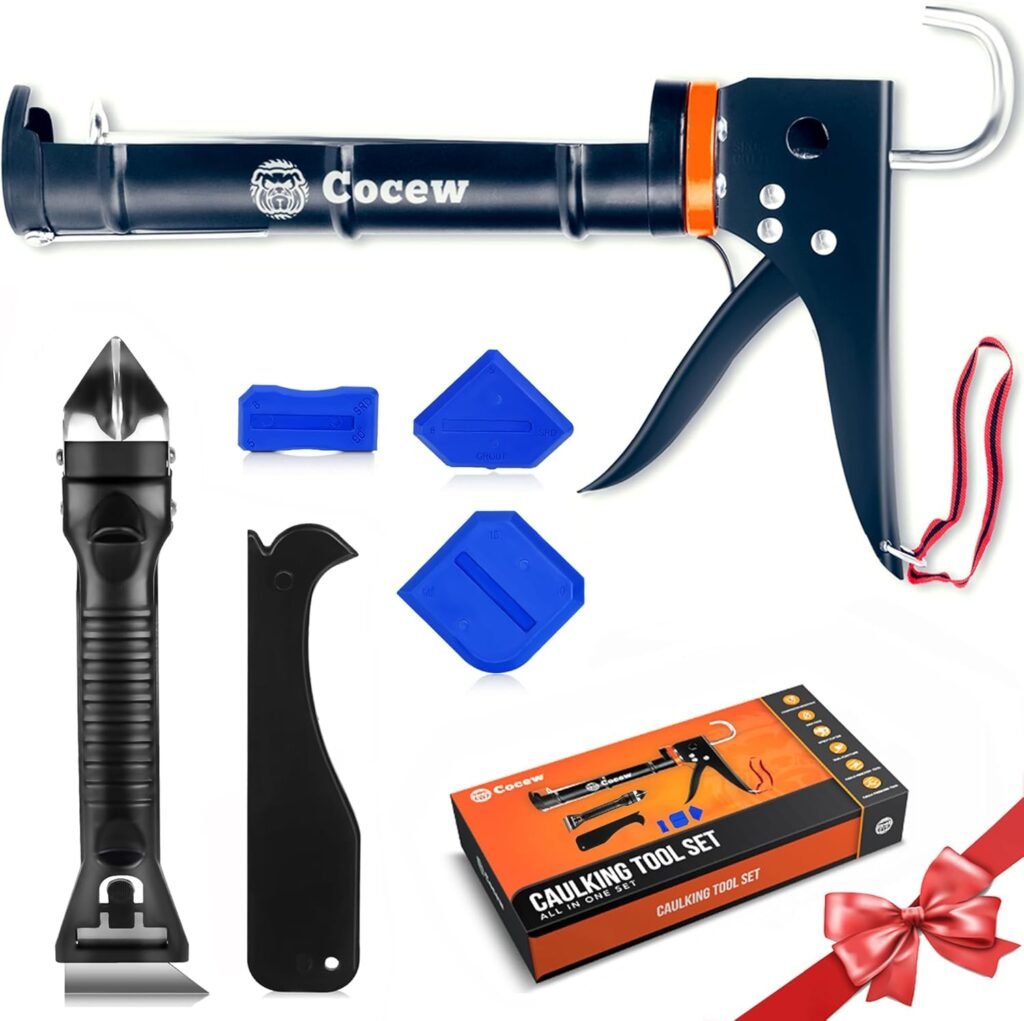
Use silicone caulk to seal gaps around windows and doors. Check the exterior of your home for any vegetation touching the walls; trees and shrubs act as bridges for ants to enter your attic or upper-floor windows.
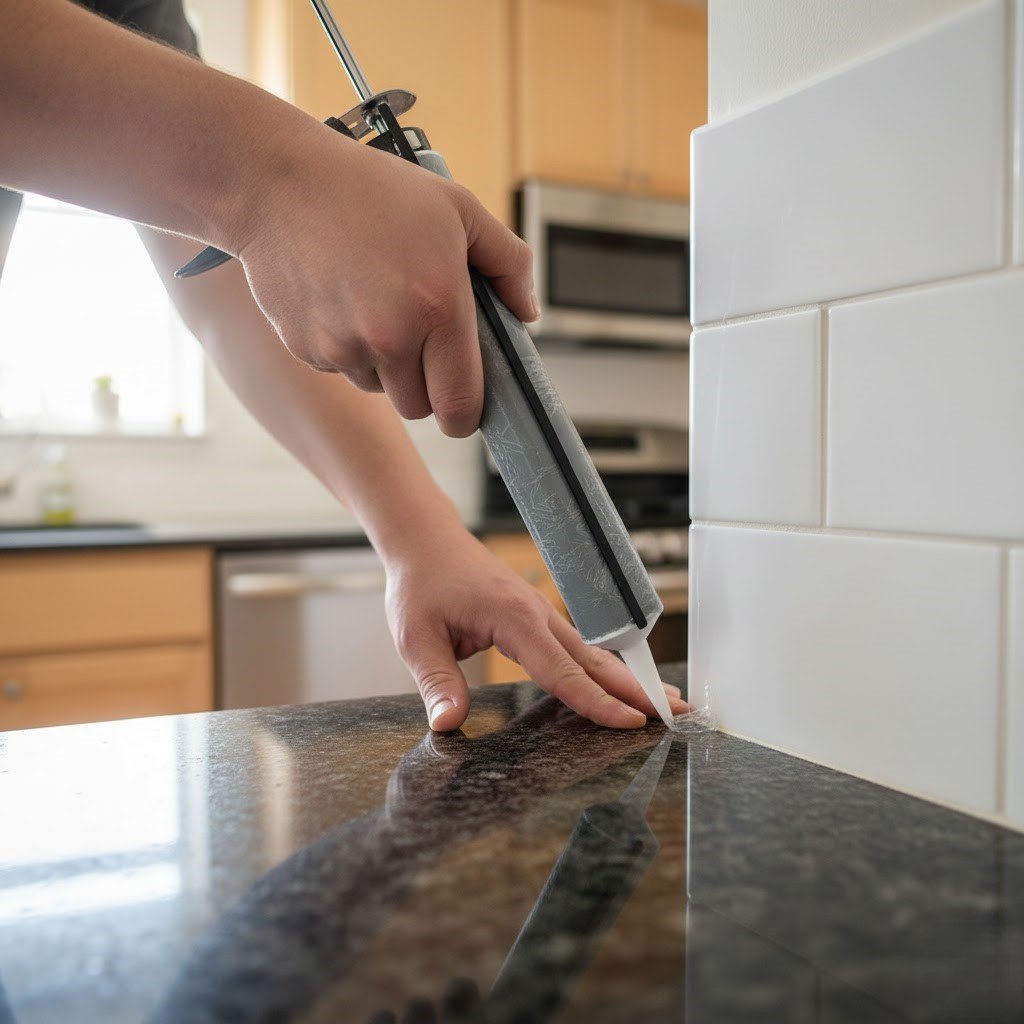
Caption: Sealing cracks is the most effective long-term strategy to prevent ants from returning.
When to Call a Professional
Sometimes, despite your best efforts to exterminate sugar ants, the infestation persists. This usually happens when the colony is located deep within a wall void or under a concrete slab.
If you see “winged” ants (swarmers), this indicates a mature colony that is looking to expand. At this stage, professional-grade non-repellent insecticides or specialized foaming agents may be required. Professional exterminators can also identify if you are dealing with more destructive species, like Carpenter Ants, which require a different treatment protocol altogether.
Read more guide on: What Kills Sugar Ants? The Best Way to Kill Them for Good
Taking Control of Your Home
Dealing with an ant infestation is a test of patience. The biggest mistake homeowners make is stopping the treatment too early. Even after the ants disappear from your counters, keep the bait out for at least another week to ensure the entire lifecycle of the colony—including the larvae—has been neutralized.
If you’re feeling overwhelmed by a persistent pest problem, you don’t have to handle it alone. Whether you need professional-grade supplies or an expert eye to find that hidden nest, getting the right help can save you weeks of frustration.
Frequently Asked Questions
How long does it take to exterminate sugar ants?
Using the baiting method, it typically takes between 3 to 7 days to see a significant reduction in activity. To completely eliminate a large colony, it may take up to two weeks.
Why do sugar ants keep coming back after I clean?
Cleaning removes the food, but it doesn’t always remove the pheromone trails. Additionally, if the colony is inside your walls, they will continue to send out scouts until the queen is eliminated.
Can I use boiling water to kill the nest?
Boiling water only kills the ants it touches on contact. Since most sugar ant nests are protected by soil or wall structures, boiling water rarely reaches the queen and can actually damage your landscaping or pipes.
Are sugar ants dangerous to my health?
Unlike cockroaches, sugar ants are not known for carrying major diseases. However, they can contaminate food and are a major nuisance. In some cases, species like the Pharaoh ant can spread pathogens in hospital environments, but in a standard home, they are primarily a hygiene concern.
Does cinnamon actually kill ants?
No. Cinnamon acts as a mild deterrent because ants dislike the strong smell and texture, but it will not kill them or destroy the nest. It is a temporary fix at best.
Conclusion
Learning how to exterminate sugar ants is about outsmarting their biology. By utilizing slow-acting baits, destroying pheromone trails with vinegar, and sealing entry points with caulk, you can reclaim your home from these persistent invaders. Remember: don’t squash the scouts, keep your surfaces pristine, and be patient with the baiting process.
With a methodical approach and a little persistence, you can ensure your kitchen remains a zone for family and food—not ants.