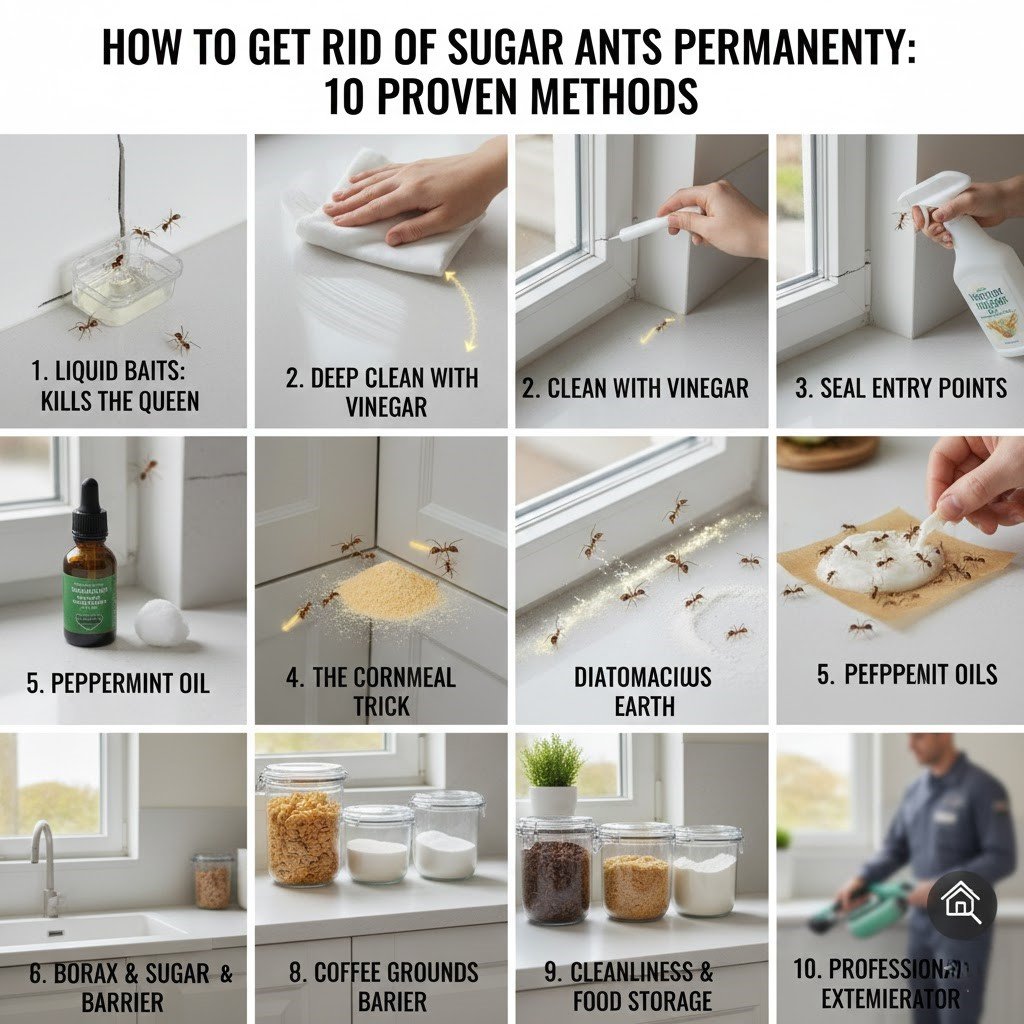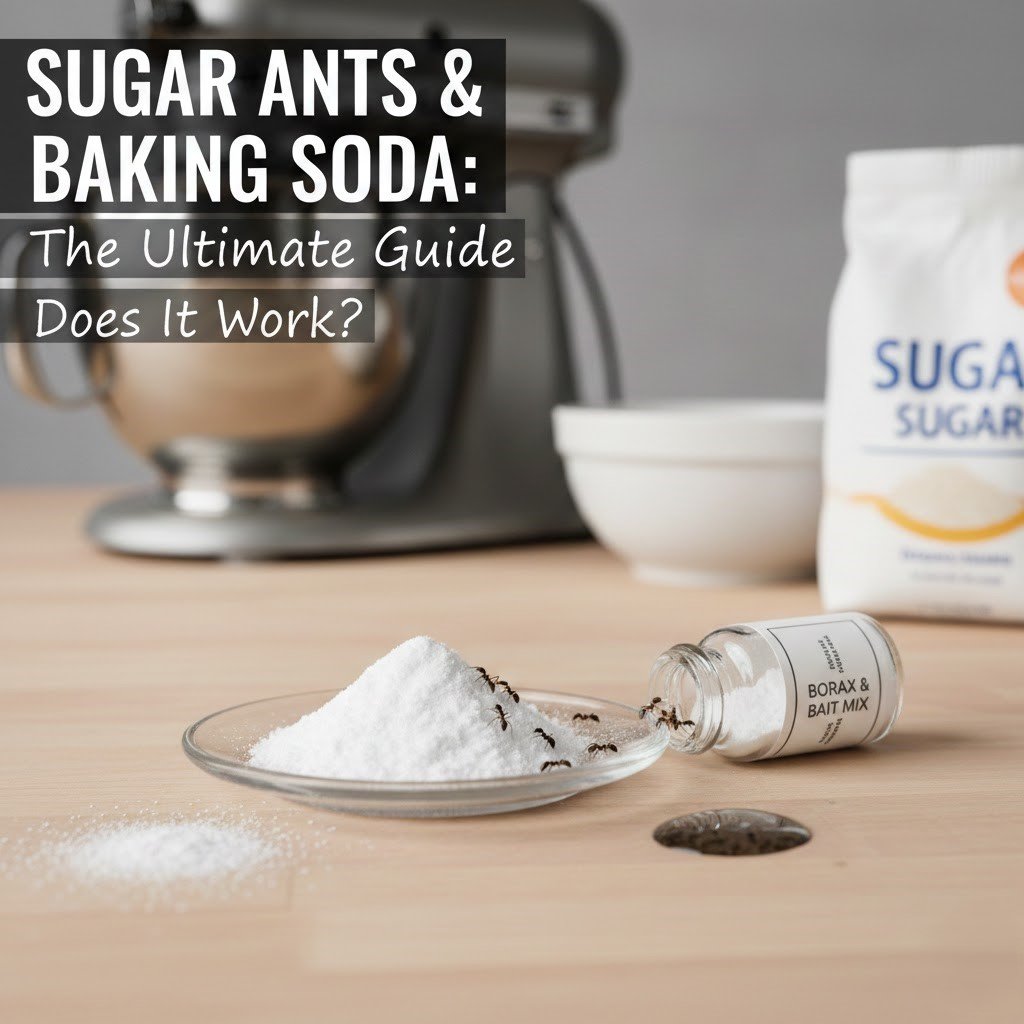
You walk into your kitchen, reach for the coffee pot, and there they are: a marching line of tiny, frantic shadows zigzagging across your granite countertops. Finding out how to get rid of sugar ants in kitchen spaces is a top priority for homeowners because these pests aren’t just an eyesore; they are a sign that your sanctuary has been breached. While they don’t bite like fire ants, sugar ants—a general term for small ants like Odorous House Ants or Pharaoh Ants—are relentless scouts driven by a single mission: finding food.
If you’ve tried spraying them with a random cleaner only to have them return an hour later, you aren’t alone. Effective ant control requires more than just killing the ones you see; it requires disrupting their pheromone trails and destroying the colony at its source.
Why Sugar Ants Love Your Kitchen
Before we dive into the “how,” we must understand the “why.” Your kitchen is a five-star resort for pests. It offers moisture, warmth, and an endless buffet of microscopic crumbs. Sugar ants are specifically attracted to sweets, starches, and fats. A single drop of honey or a forgotten juice spill is enough to signal hundreds of workers to begin the invasion.
1. Identify the Entry Points and Scout Trails
You cannot win a war if you don’t know where the enemy is coming from. Sugar ants are opportunistic. They enter through cracks in window seals, gaps in baseboards, or even through the electrical outlets.
- Follow the Line: Do not wipe the ants away immediately. Follow them back to see where they exit the room.
- Check the Perimeter: Often, the “kitchen” problem actually starts outside near the foundation or under a nearby mulch bed.
- Seal the Gaps: Use silicone caulk to seal any visible entry points you find during your inspection.

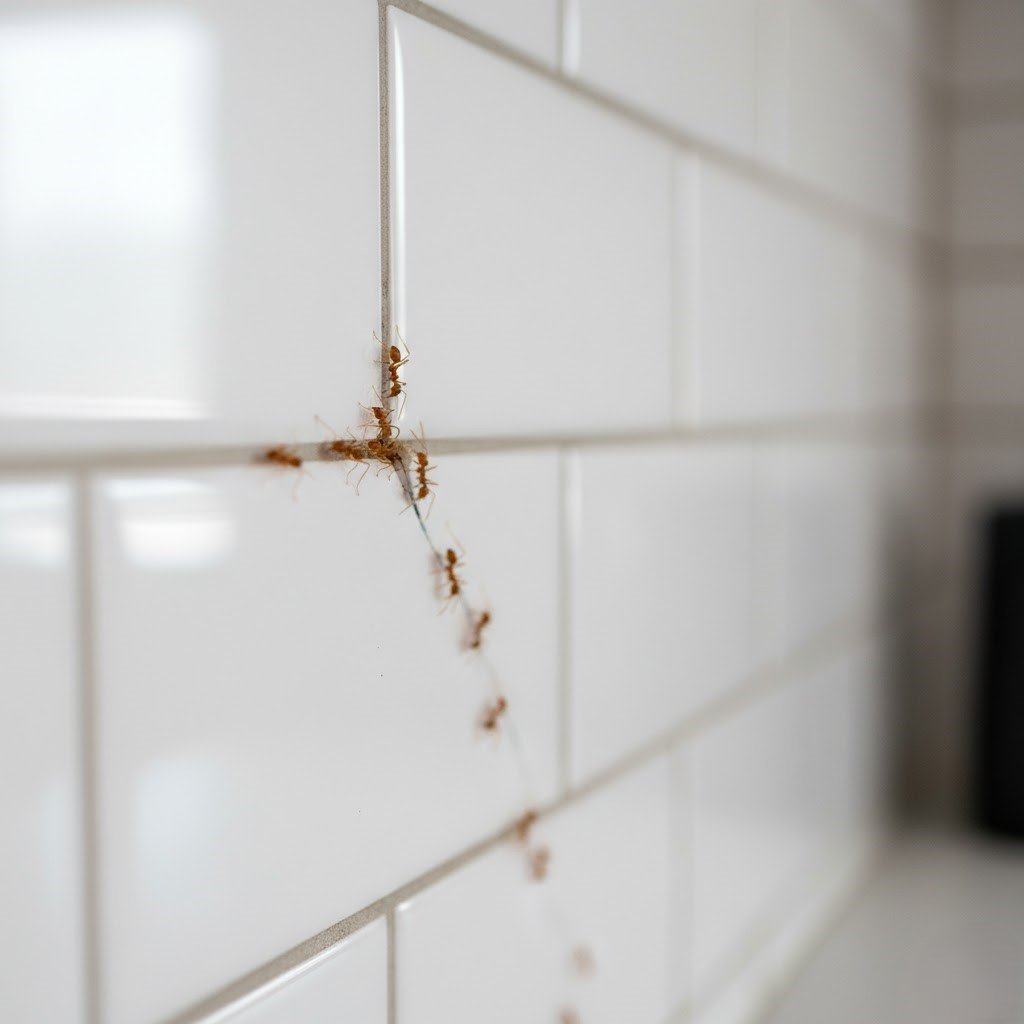
Finding the exact entry point is the first step in long-term ant prevention.
2. Disrupt the Pheromone Trail
When a scout ant finds food, it leaves a chemical scent trail (pheromones) for its sisters to follow. If you simply squash the ants, the scent remains, and new ants will arrive shortly.
To break the cycle, use a solution of one part white vinegar to one part water. Vinegar acts as a natural deterrent that dissolves the pheromone trail, making it impossible for the rest of the colony to find your counters. Spray this liberally on your countertops, floors, and near any suspected entry points.
3. Use Targeted Ant Baits (The “Trojan Horse” Strategy)
This is the most critical step in learning how to get rid of sugar ants in kitchen environments. Contact sprays only kill the “workers” you see, which represent only about 10% of the colony. To kill the queen, you need the ants to do the work for you.
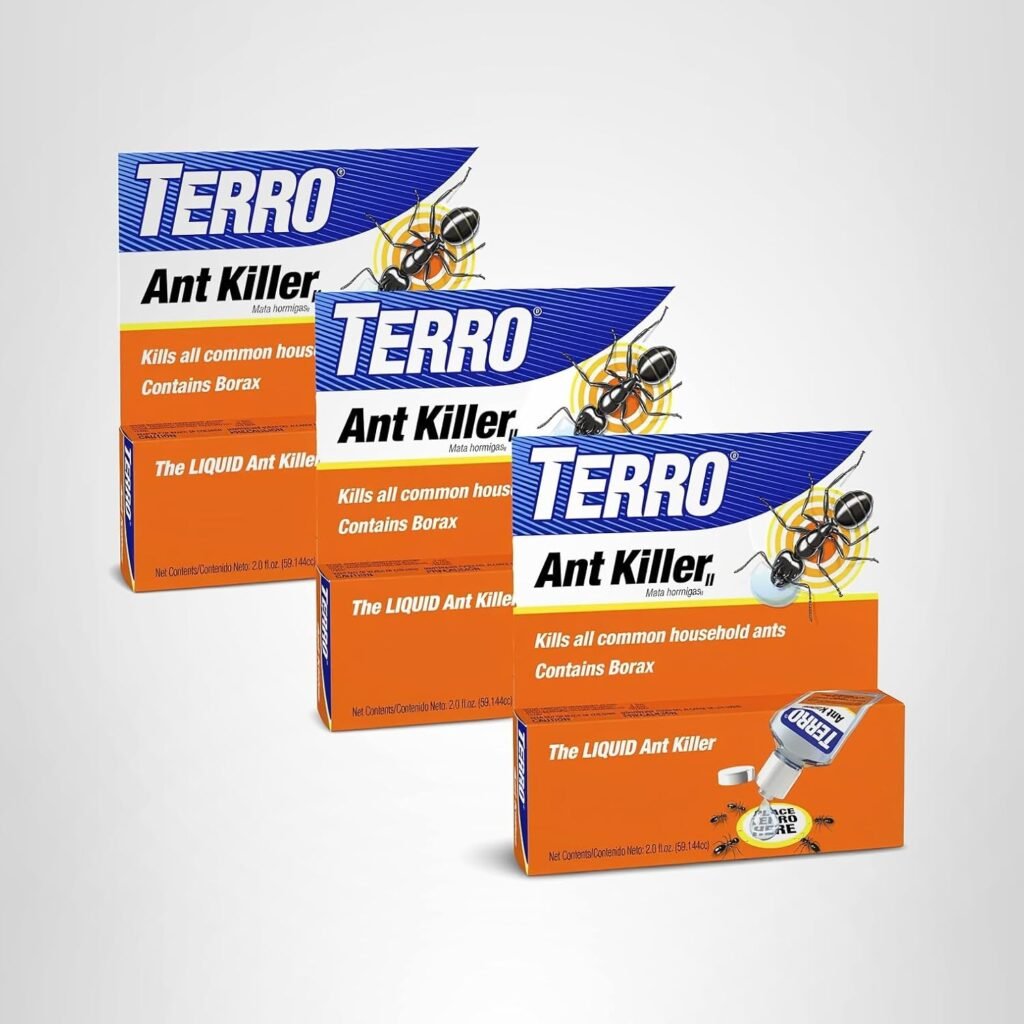
- Liquid Borax Baits: Products like Terro are highly effective. They consist of a sugary syrup mixed with borax.
- The Delay Effect: The ants eat the bait and carry it back to the nest. It is slow-acting, allowing the ant to share the poison with the queen and larvae before it dies.
- Patience is Key: You will see more ants initially. Resist the urge to kill them! Let them take the bait back to the source.
4. Deep Clean the “Hidden” Kitchen Areas
If you have baits out but the ants are still heading for your toaster, the bait has competition. You must eliminate all other food sources to make the bait the only option.
| Area | What to Clean |
| Under the Toaster | Empty the crumb tray daily. |
| Pet Bowls | Wash bowls after every meal; don’t leave dry food out. |
| The Dishwasher | Clean the filter; ants love the moisture and food residue. |
| The Pantry | Transfer sugar, flour, and cereal into airtight glass or plastic containers. |
5. Natural Deterrents for Sensitive Areas
If you prefer not to use heavy chemicals near your food prep surfaces, several natural substances act as effective repellents. While these won’t necessarily kill the colony, they will keep them away from specific zones.
- Peppermint Oil: Ants hate the strong scent of peppermint. Place a few drops on a cotton ball and tuck it into the back of your cabinets.
- Cinnamon Powder: Ground cinnamon can act as a barrier. Ants generally will not cross a line of cinnamon.
- Coffee Grounds: Used grounds are highly aromatic and can be spread around the exterior foundation of your home to discourage entry.
6. Manage Moisture Levels
Sugar ants aren’t just looking for sugar; they are looking for water. A leaky faucet or a damp sponge left in the sink is a beacon for a colony.
Ensure your sink is wiped dry at night and check under the sink for any slow pipe leaks. According to the Environmental Protection Agency (EPA), moisture control is one of the most effective ways to manage indoor pests without over-relying on pesticides.
7. When to Call the Professionals
If you have followed these steps and still see “scouts” every morning after two weeks, you likely have a satellite colony living inside your walls. At this point, DIY methods may not be enough to reach the heart of the infestation.
Professional pest control services have access to non-repellent residuals and specialized dusts that can penetrate wall voids where DIY baits can’t reach.
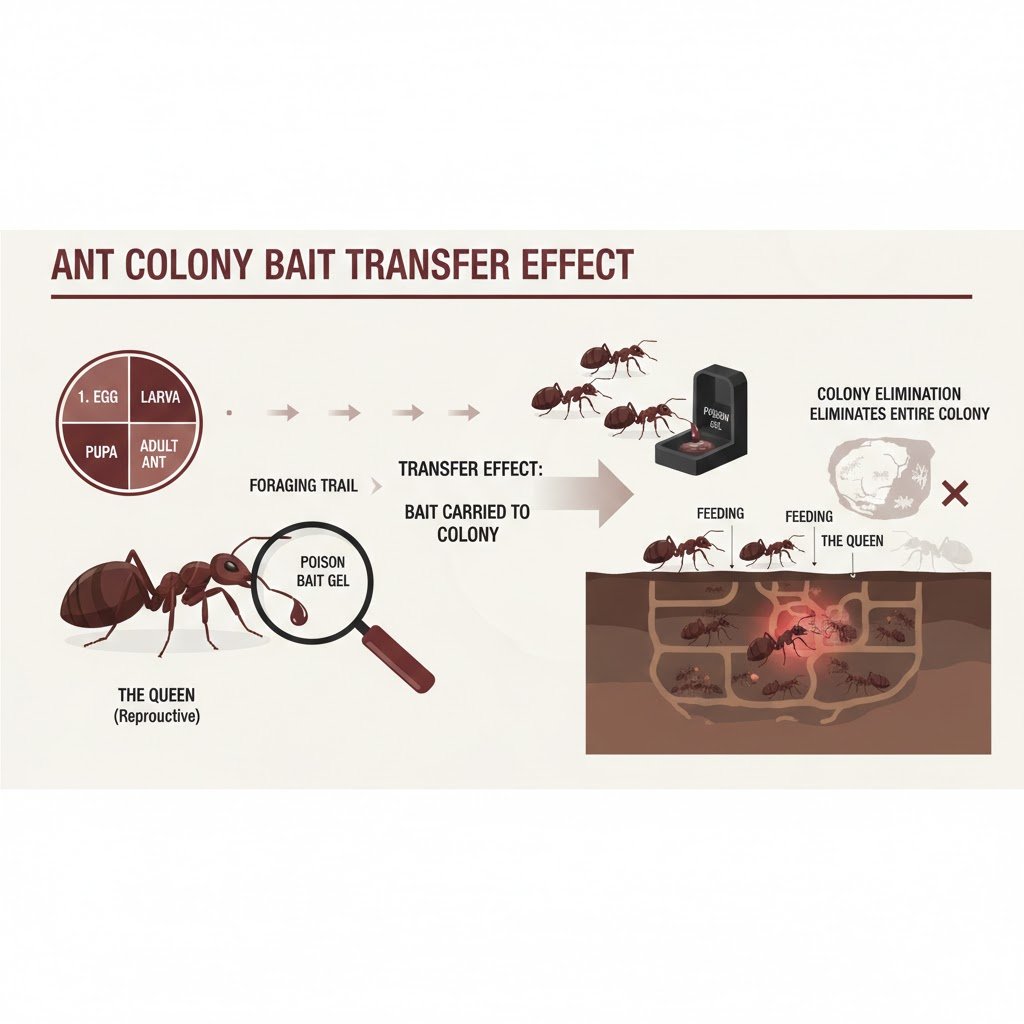
Understanding the colony structure helps in choosing the right elimination method.
Conclusion
Knowing how to get rid of sugar ants in kitchen spaces is a combination of immediate sanitation, pheromone disruption, and strategic baiting. Remember that the goal isn’t just to kill the ants on your counter, but to eliminate the source.
Key Takeaways:
- Seal cracks with caulk to prevent entry.
- Use vinegar to wipe away scent trails.
- Use liquid baits to target the queen.
- Store all food in airtight containers.
By staying proactive and keeping your surfaces dry and clean, you can ensure your kitchen remains a place for cooking and family—not a playground for pests.
Read More Guides: What Kills Sugar Ants? The Best Way to Kill Them for Good
Frequently Asked Questions (FAQ)
1. How long does it take for ant baits to work?
Typically, you will see a significant decrease in ant activity within 3 to 5 days, but it can take up to two weeks to completely eliminate a large colony. It is vital not to disturb the ants while they are feeding on the bait.
2. Can I use bleach to kill sugar ants?
Bleach will kill ants on contact and sanitize the surface, but it doesn’t provide a long-term solution. Like vinegar, it disrupts the trail, but it is harsher on your surfaces and lungs. Vinegar is generally a safer and equally effective alternative for trail disruption.
3. Are sugar ants dangerous to my health?
Sugar ants do not transmit serious diseases like cockroaches or rodents. However, they can crawl over waste and then onto your food, leading to potential food contamination. It’s best to discard any open food items that have been swarmed.
4. Why do ants appear in my kitchen even if it’s clean?
Even a “clean” kitchen can have hidden food sources. Grease behind the stove, a small spill inside the dishwasher, or even indoor plants with damp soil can provide enough resources for a colony to thrive.
5. Does boiling water kill an ant nest?
Yes, pouring boiling water into an outdoor nest can kill many ants on contact. However, sugar ant nests are often deep underground or inside walls, making boiling water an ineffective solution for indoor infestations.