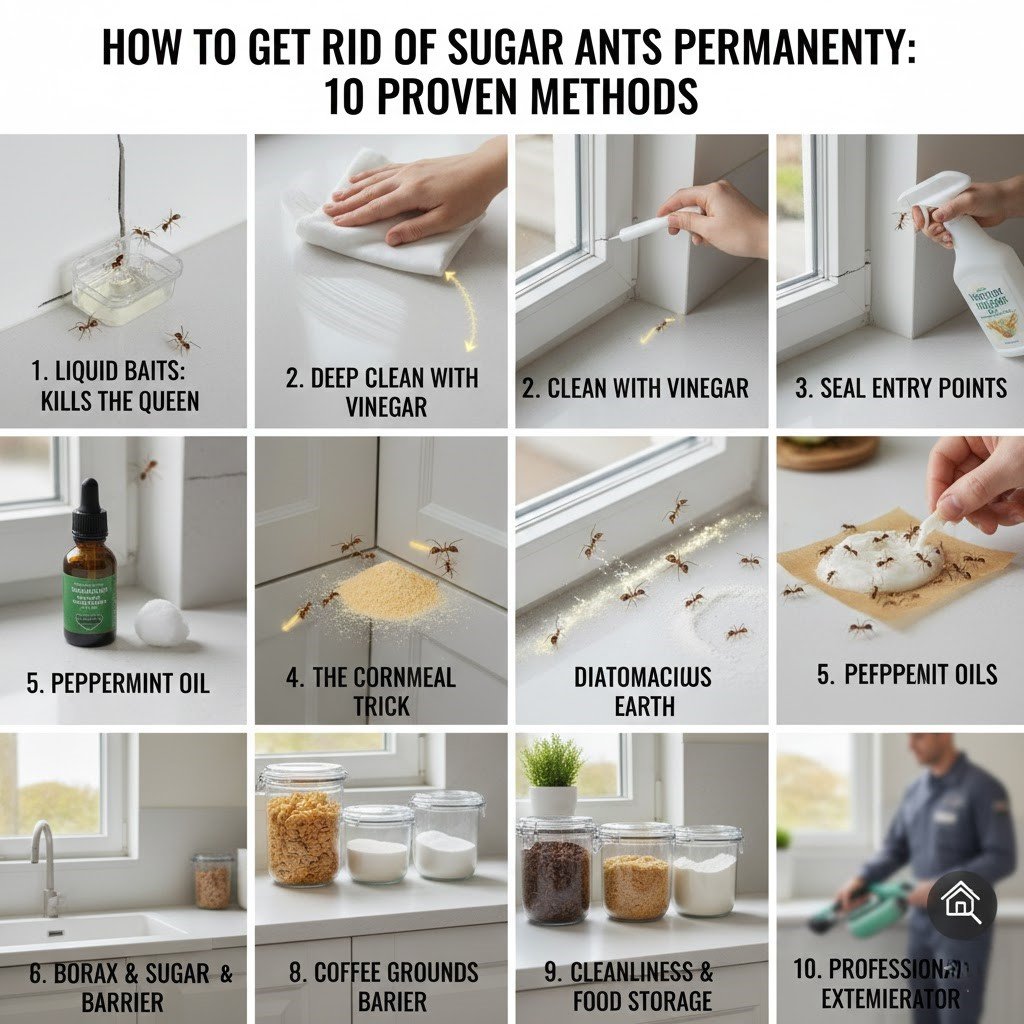
Nothing ruins a peaceful morning quite like finding a marching line of insects across your kitchen counter. If you’ve spotted tiny black dots swarming your honey jar or fruit bowl, you are likely dealing with an Infestation. Finding the right ant killer for sugar ants is the difference between a temporary fix and a permanent solution. Many homeowners make the mistake of reaching for a standard aerosol spray, only to find the ants returning in greater numbers just days later.
To truly eliminate these pests, you need to understand their biology and use products designed to exploit their social structure. In this guide, we will break down the best ant killer for sugar ants, comparing liquid baits, gels, and granular options to help you reclaim your home once and for all.
Why Standard Sprays Often Fail
Before diving into the products, it is vital to understand why “contact killers” are rarely the answer. Sugar ants (a colloquial term for several species like the Odorous House Ant or Pavement Ant) live in massive, complex colonies. When you spray the foragers you see on your counter, you are only killing about 5% to 10% of the total population.
Worse yet, many species of sugar ants respond to chemical threats through “budding.” If the colony senses a toxic repellent, the queen may signal the colony to split into multiple smaller nests throughout your walls, effectively turning one problem into five. To succeed, you need an ant killer for sugar ants that is slow-acting, allowing the workers to carry the poison back to the heart of the nest.
The Top Contenders: Best Ant Killer for Sugar Ants
When shopping for a solution, you will encounter three main categories: Liquid Baits, Gel Baits, and Granular Shakes. Each has its place depending on where the infestation is located.
1. Liquid Ant Baits (The Gold Standard)
Liquid baits are widely considered the best ant killer for sugar ants because they mimic the high-moisture, high-sugar diet these ants crave.
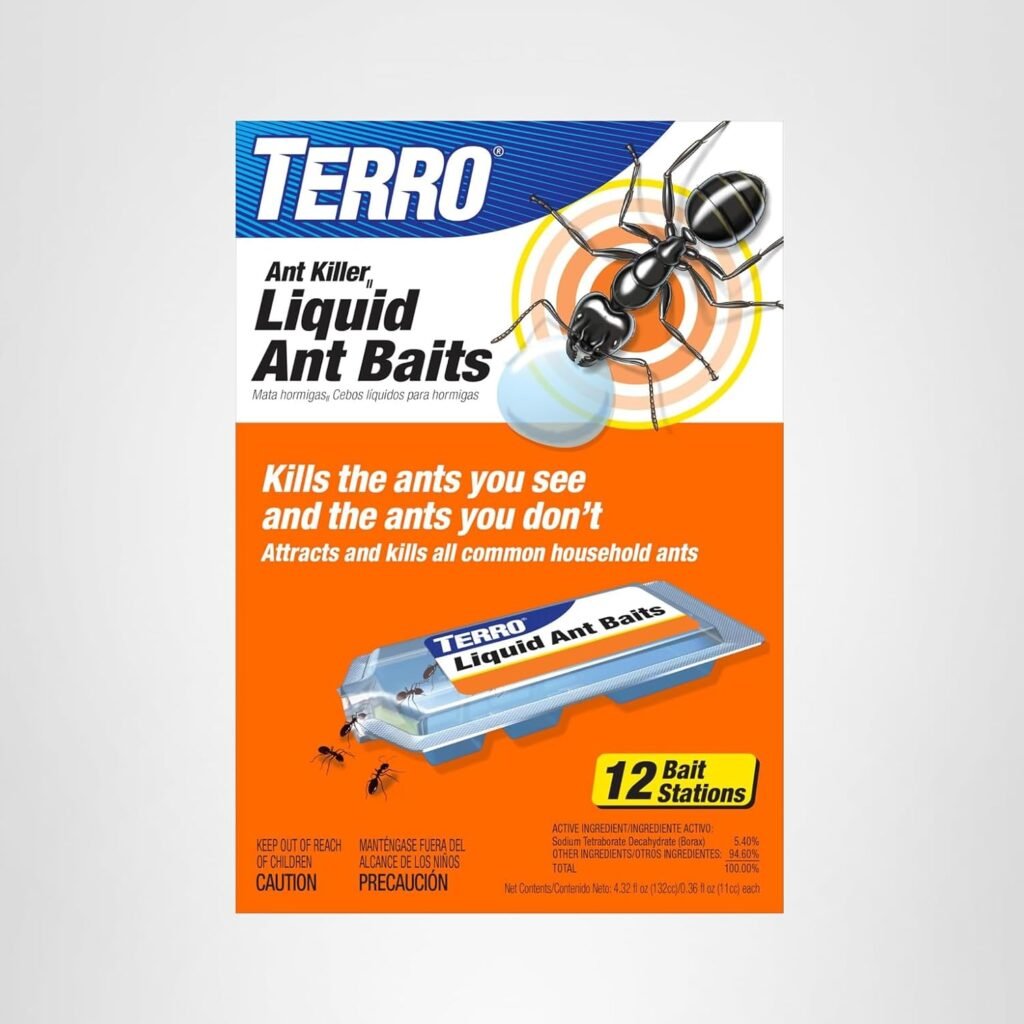
- How they work: The bait consists of a sugary syrup mixed with a slow-acting insecticide (usually Borax or Dinotefuran).
- Why they win: Ants can consume large quantities of liquid quickly and share it with the larvae and the queen through a process called trophallaxis.
- Top Recommendation: Terro Liquid Ant Bait is the industry leader for indoor use. Its pre-filled stations prevent the liquid from drying out, keeping the bait attractive for longer.
2. Gel Baits (For Precision)
If you have ants emerging from cracks in the backsplash or around electrical outlets, a gel bait is your best friend.
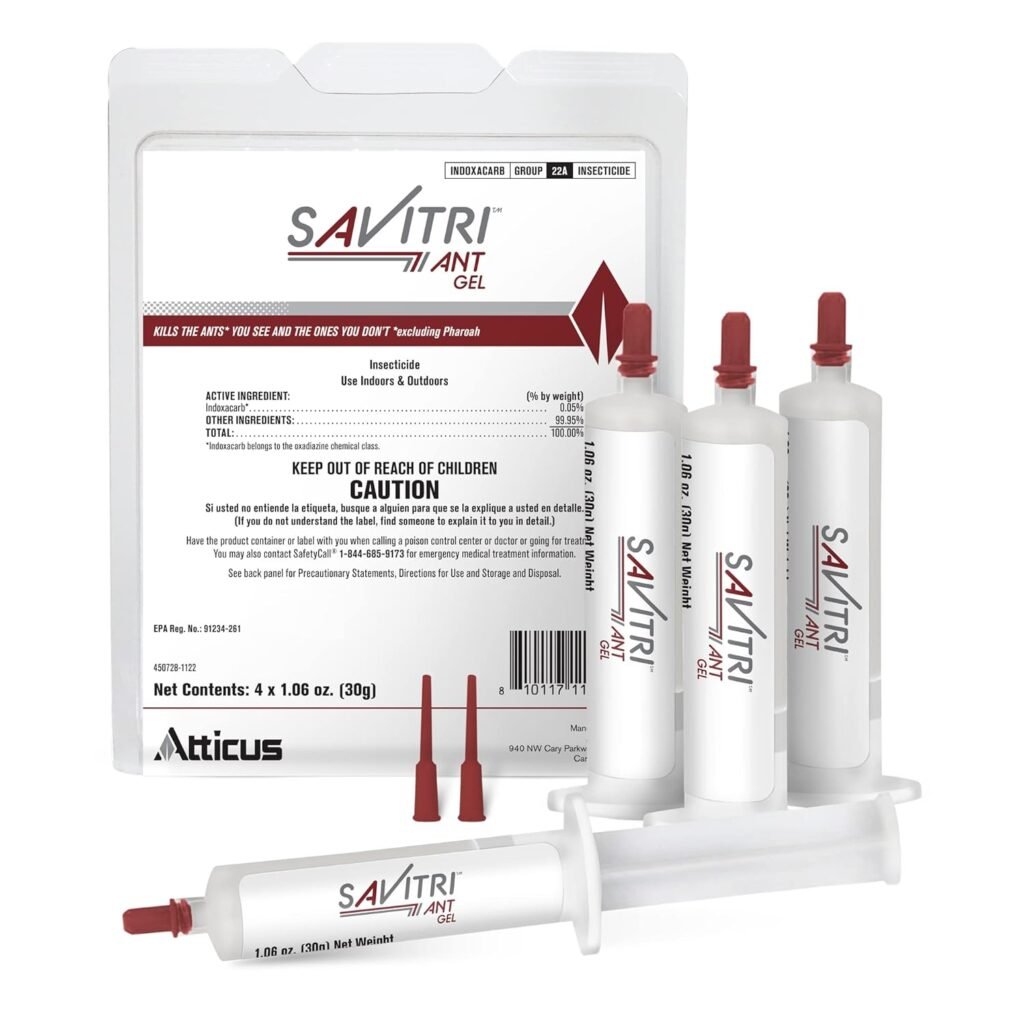
- Application: These come in syringes, allowing you to “inject” the bait into tiny crevices where stations won’t fit.
- Durability: Gels tend to stay put on vertical surfaces better than liquids.
- Top Recommendation: Advion Ant Gel. This is a professional-grade product that uses Indoxacarb, which remains potent even after being passed through several ants.
3. Granular Baits (For Perimeter Defense)
If the ants are coming from outside, you need a weather-resistant ant killer for sugar ants.
- Use Case: These are spread around the foundation of your home or in flower beds.
- Benefit: They don’t wash away in light rain and target ants before they ever find a way into your kitchen.
- Top Recommendation: Maxforce Complete Granular Bait. It contains a mix of proteins and fats, making it attractive to ants even when their dietary preferences shift away from sugar.
Comparison Table: Which Product Do You Need?
| Product Type | Best For… | Key Ingredient | Indoor/Outdoor |
| Liquid Bait | Large indoor infestations | Borax | Indoor |
| Gel Bait | Hard-to-reach cracks/crevices | Indoxacarb | Indoor |
| Granular Bait | Yard and foundation barriers | Hydramethylnon | Outdoor |
| Dust/Powder | Inside wall voids | Deltamethrin | Indoor (hidden) |
How to Properly Use Ant Killer for Sugar Ants
Buying the right product is only half the battle; application strategy is where most people fail. Follow these professional steps to ensure success.
Step 1: Clean, But Not Too Much
Remove competing food sources. Wipe up spills and put open boxes into airtight containers. However, do not use bleach or vinegar near the areas where you plan to place bait. You want the ants to feel safe enough to follow their existing pheromone trails directly to your bait station.
Step 2: Placement is Everything
Place your ant killer for sugar ants directly in the “ant highway.” If you see them trailing along a baseboard, put the bait right in their path.
Step 3: Resist the Urge to Kill
This is the hardest part. Once you set the bait, you will likely see an explosion of ant activity. Do not step on them. Every ant you kill at the bait station is an ant that cannot carry the poison back to the queen. Let them feast and return to the nest.
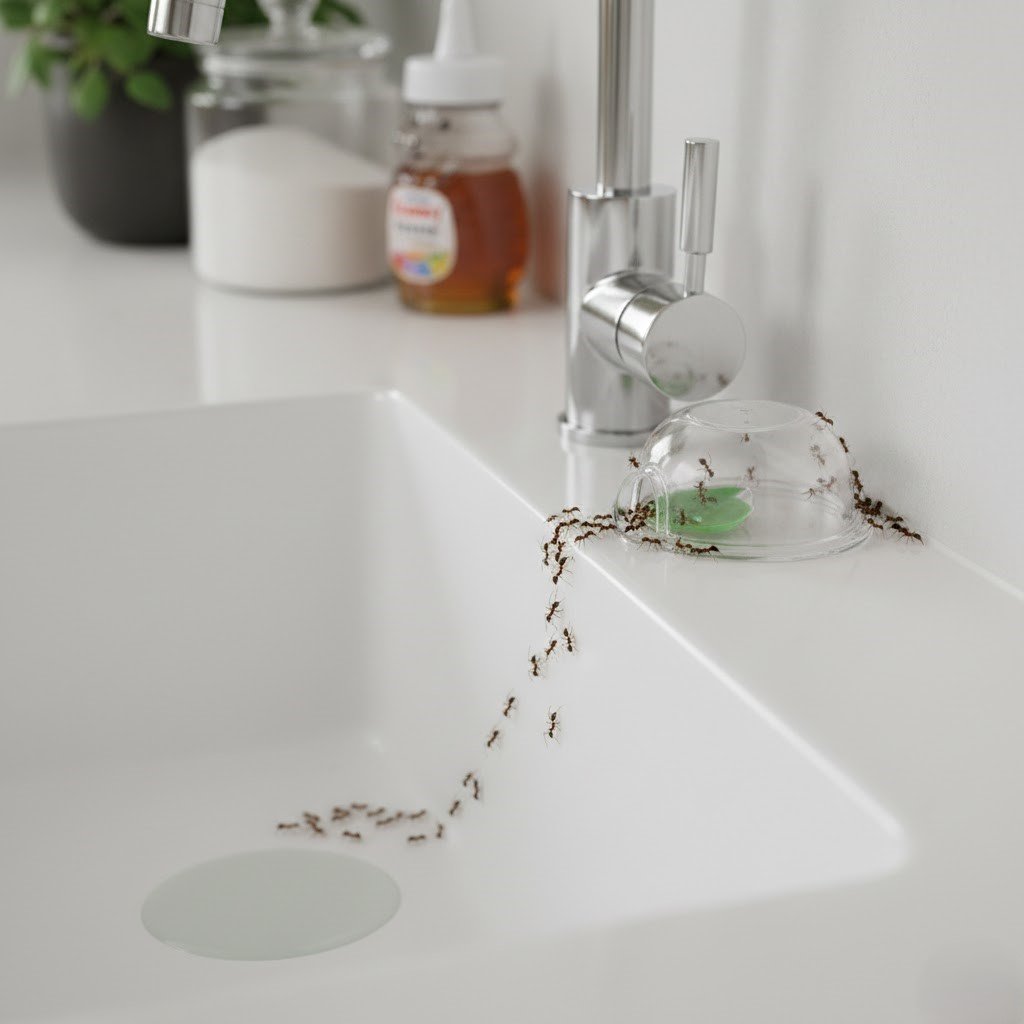
Caption: Strategic placement of bait stations ensures the workers find the source quickly and begin the process of colony elimination.
Natural Alternatives: Do They Work?
If you are hesitant to use chemicals, there are “softer” options, though they often take longer to see results.
- Borax and Sugar DIY: A homemade mixture of 1 part Borax to 3 parts sugar dissolved in water can be effective.
- Diatomaceous Earth (DE): This is a mechanical killer. It’s a fine powder that cuts through the ant’s exoskeleton, causing them to dehydrate. It is non-toxic to pets but must remain dry to work.
- Essential Oils: Peppermint and Cinnamon oil act as excellent repellents. They won’t kill the nest, but they can “block” entry points once you have eliminated the main colony.
For more detailed safety information on household pesticides, the Environmental Protection Agency (EPA) provides excellent resources on integrated pest management.
When to Call the Professionals
If you have used the best ant killer for sugar ants for more than three weeks and are still seeing new trails, you may be dealing with a “super-colony” or a species like the Pharaoh Ant, which requires specialized non-repellent chemicals that are not available over the counter. Persistent infestations can also be a sign of underlying moisture issues in your walls that need to be addressed by a property maintenance specialist.
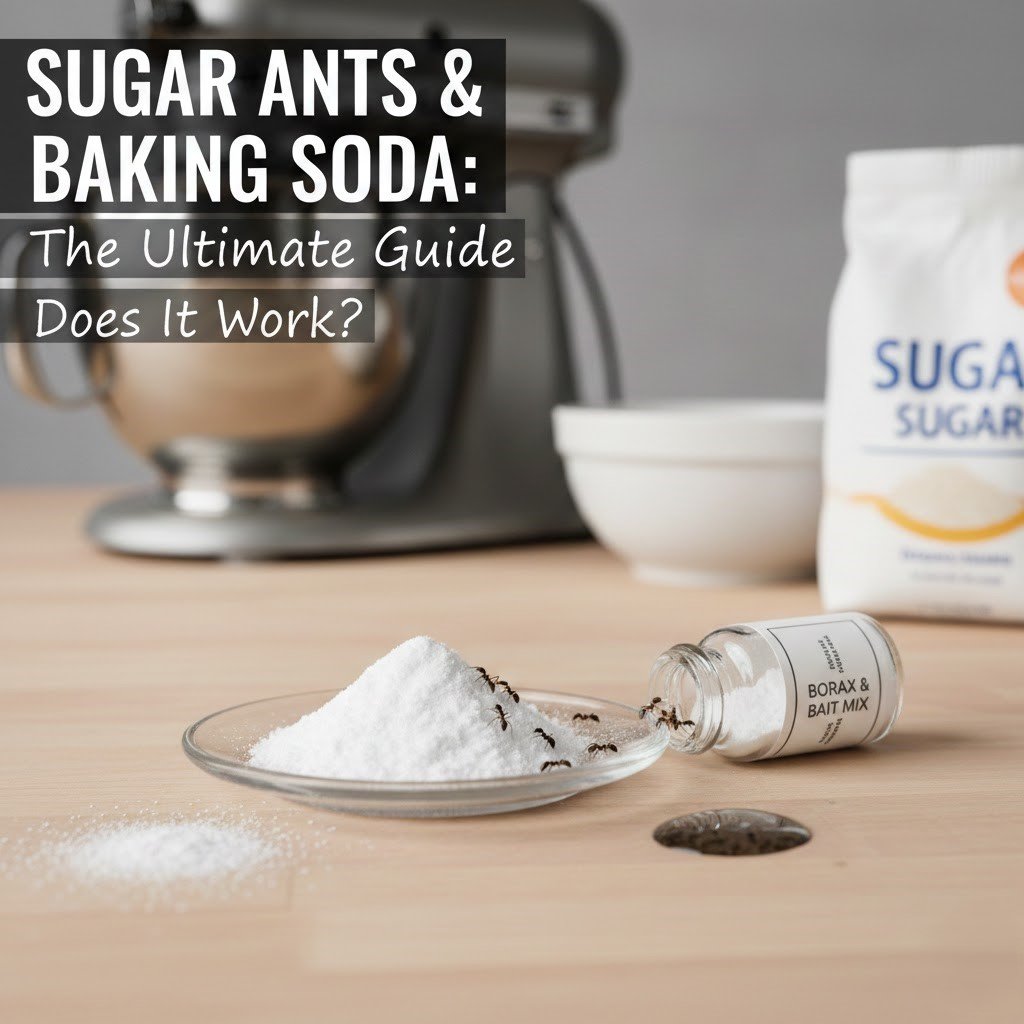
Read our More Guides: Sugar Ants Baking Soda: Does It Work? The Ultimate Guide
Ensuring a Pest-Free Future
Once the ants are gone, your goal shifts to prevention.
- Seal the Gaps: Use silicone caulk to seal windows and door frames.
- Dry it Out: Fix leaky pipes under the sink; sugar ants are highly attracted to moisture.
- Trim the Trees: Ensure no branches are touching your home, as these serve as bridges for scouts.
Dealing with an infestation is stressful, but you don’t have to handle it alone. Whether you need advice on the right products or require a full-scale home audit to prevent future invasions, expert help is available to ensure your living space remains healthy and comfortable.
FAQ: Frequently Asked Questions
What is the fastest-acting ant killer for sugar ants?
While liquid baits like Terro are the most effective, they are not “fast” by design. They take 24–48 hours to start killing. If you need an immediate knock-down for a few stray ants, an enzyme-based spray like Zevo is a safer, non-repellent option.
Why are ants ignoring the bait I set out?
Ants can be fickle. Sometimes a colony is in a “protein phase” rather than a “sugar phase.” If they ignore your sugar bait, try a protein-based bait like Advance 375A. Also, ensure you haven’t recently cleaned the area with strong chemicals that might be acting as a repellent.
Is ant killer for sugar ants safe for pets?
Most bait stations are designed to keep the poison contained, but they should still be placed in areas inaccessible to pets (like behind appliances). Borax-based baits have low toxicity to mammals but can cause upset stomachs if ingested in large quantities.
How long does a bait station last?
Indoors, a liquid bait station should be replaced every 3 months or once it is empty. If the liquid has turned into a thick, hard gel, it has evaporated and will no longer be attractive to the ants.
Can I use outdoor granular bait inside?
It is generally not recommended. Outdoor baits are formulated to withstand UV rays and rain, and they often have a stronger odor. Stick to gels and liquid stations for indoor use to ensure better safety and efficacy.
Conclusion
Finding the best ant killer for sugar ants requires a shift in mindset from “killing on sight” to “feeding the colony.” By utilizing high-quality liquid baits and precision gels, you leverage the ants’ own foraging behavior against them. Remember that patience is your greatest tool; allow the workers to do the heavy lifting of transporting the bait to the queen.
To maintain an ant-free home:
- Identify the trails and entry points.
- Apply slow-acting baits (Liquids for floors, Gels for cracks).
- Monitor and resist the urge to spray foragers.
- Seal and clean once the colony is confirmed dead.
By following this systematic approach, you can eliminate even the most stubborn infestations and keep your kitchen pristine.